Article Summary
- BMW’s R&D chief hinted that the Neue Klasse platform pioneered by the new i3 will scale up to other models — and the i5 is the most logical next step.
- The current i5 shares its CLAR platform with the combustion 5 Series; a dedicated EV architecture would remove those compromises entirely, freeing up space for a larger battery and better packaging.
- A rumored 2030 launch window (internal codename NC0) lines up with the expected G50/G51 facelift in 2027, and would likely bring 800V charging and WLTP range north of 800 km.
 In This Article
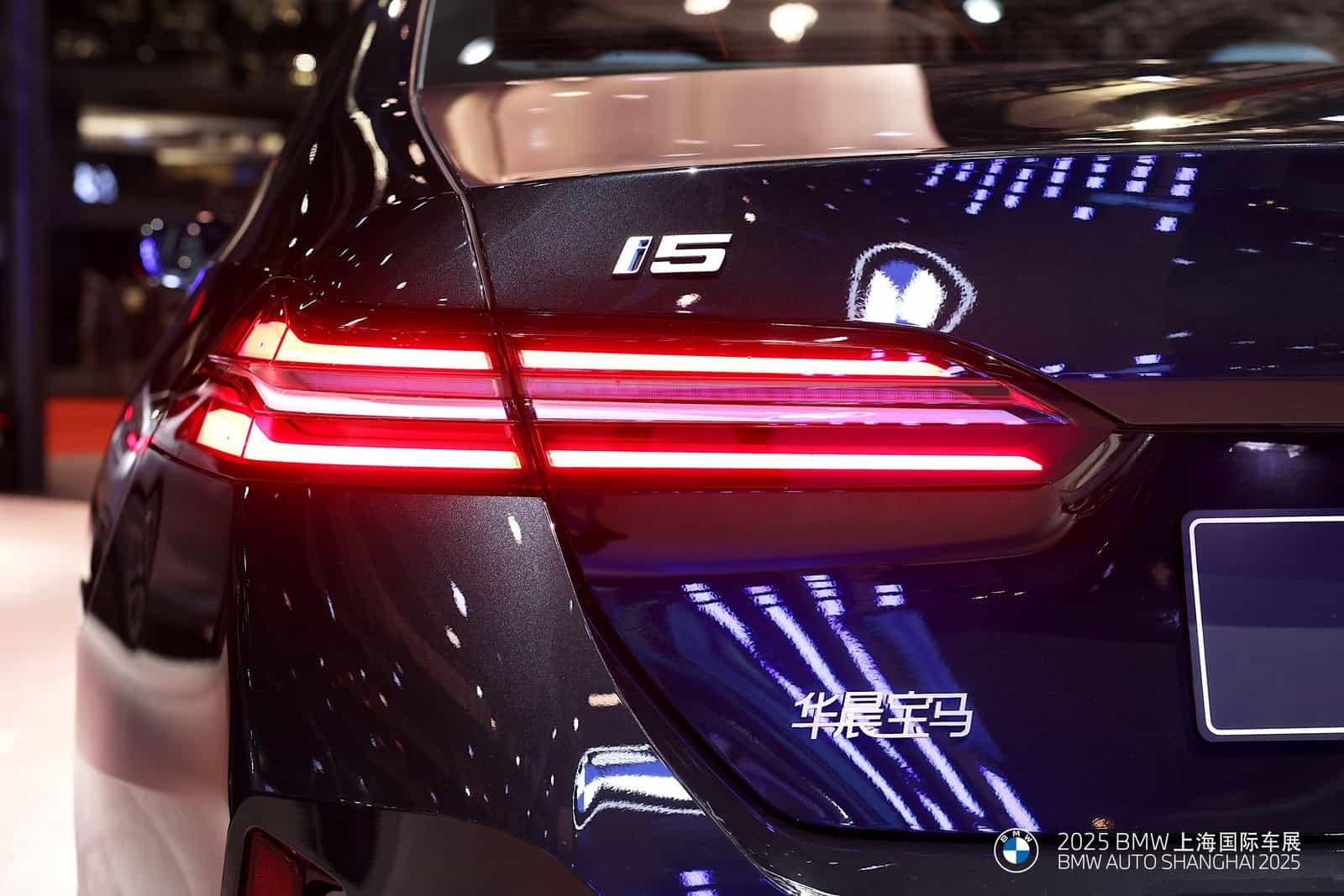
The next-generation BMW i5 will most likely be built on a dedicated all-electric platform, cutting its ties with the combustion-powered 5 Series for the first time and following the same strategic playbook BMW is using for the new i3. The hint came from Joachim Post, BMW board member responsible for R&D in an interview with AutoExpress.
That’s the clearest signal yet that Munich is done with the compromise of shared architectures between electric and combustion models — a strategy that, while pragmatic for this generation, has always carried an inherent ceiling in terms of what an EV can achieve when it must coexist under the same skin as its petrol and diesel siblings.
A Clean Break From CLAR

The current G60 i5 is a capable luxury EV, but it arrives with a structural asterisk: it shares BMW’s CLAR platform and body with the combustion-powered G60 5 Series. That means packaging decisions, floor heights, wheelbase constraints, and weight distribution all reflect the needs of multiple powertrains rather than one.
BMW’s board member for research and development, Joachim Post, hinted at the new direction in a conversation with AutoExpress, pointing to scalability as the guiding principle. “We are a global player, and we must scale our technology into the whole fleet to get that economy of scale,” Post said, adding that BMW doesn’t develop new technology for a single car. The implication is plain: the Neue Klasse platform being pioneered by the new i3 will move up through the lineup, and the i5 is a logical next recipient.
What We Know: NC0, 2030, and Neue Klasse

For those keeping score at home, none of this should come as a shock. BMW has already telegraphed a split-platform future with the 3 Series, where CLAR (or CLARe as BMW calls it today) will underpin combustion and plug-in hybrid variants, while NCAR — the internal designation for the Neue Klasse architecture — will serve the pure EV versions.
Rumor has it the next-generation i5 carries the internal codename NC0, and a 2030 launch window makes complete sense when you map it against BMW’s known product lifecycle. The current G60 5 Series is due for a facelift in 2027 as the G50/G51, which would leave the all-new generation arriving right around the turn of the decade. Assuming a synchronized launch strategy, the next full 5 Series family — combustion and electric alike — would arrive together around 2030. A completely new codename structure was also set for the next-gen ICE and PHEV models.
What Neue Klasse Means for the i5

The performance and efficiency gains that come with a purpose-built EV platform are substantial. The Neue Klasse architecture brings 800-volt electrical infrastructure, meaning significantly faster charging speeds and a more efficient power delivery chain. BMW’s next-generation “Heart of Joy” computing architecture will also be baked in from day one rather than adapted after the fact.
Most significantly for buyers: the range picture should look dramatically different. A dedicated platform allows for a larger, flatter battery pack optimized for the floor of an EV rather than one that has to work around a transmission tunnel. Expect WLTP figures north of 800 to 900 kilometers when the next i5 arrives — numbers that would place it at the very top of the large executive EV segment.
The i5 is already one of BMW’s most important nameplates globally, competing at the heart of the executive segment against the Mercedes EQE and the Audi e-tron GT. A ground-up Neue Klasse version will give it the foundation to compete not just on brand prestige, but on the raw metrics — range, efficiency, charging speed, and interior space — that increasingly define the segment.