Article Summary
- The E90 335d is the last inline-six diesel sedan BMW sold in the US — and clean examples are getting harder to find as prices fall and maintenance standards drop with them.
- Most 335d reliability problems trace back to failed thermostats or glow plug modules running silently before the DPF ever becomes an issue.
- At $10,000-$16,000 for a well-maintained example, it’s roughly the same money as a tired 335i — with a more durable engine underneath.
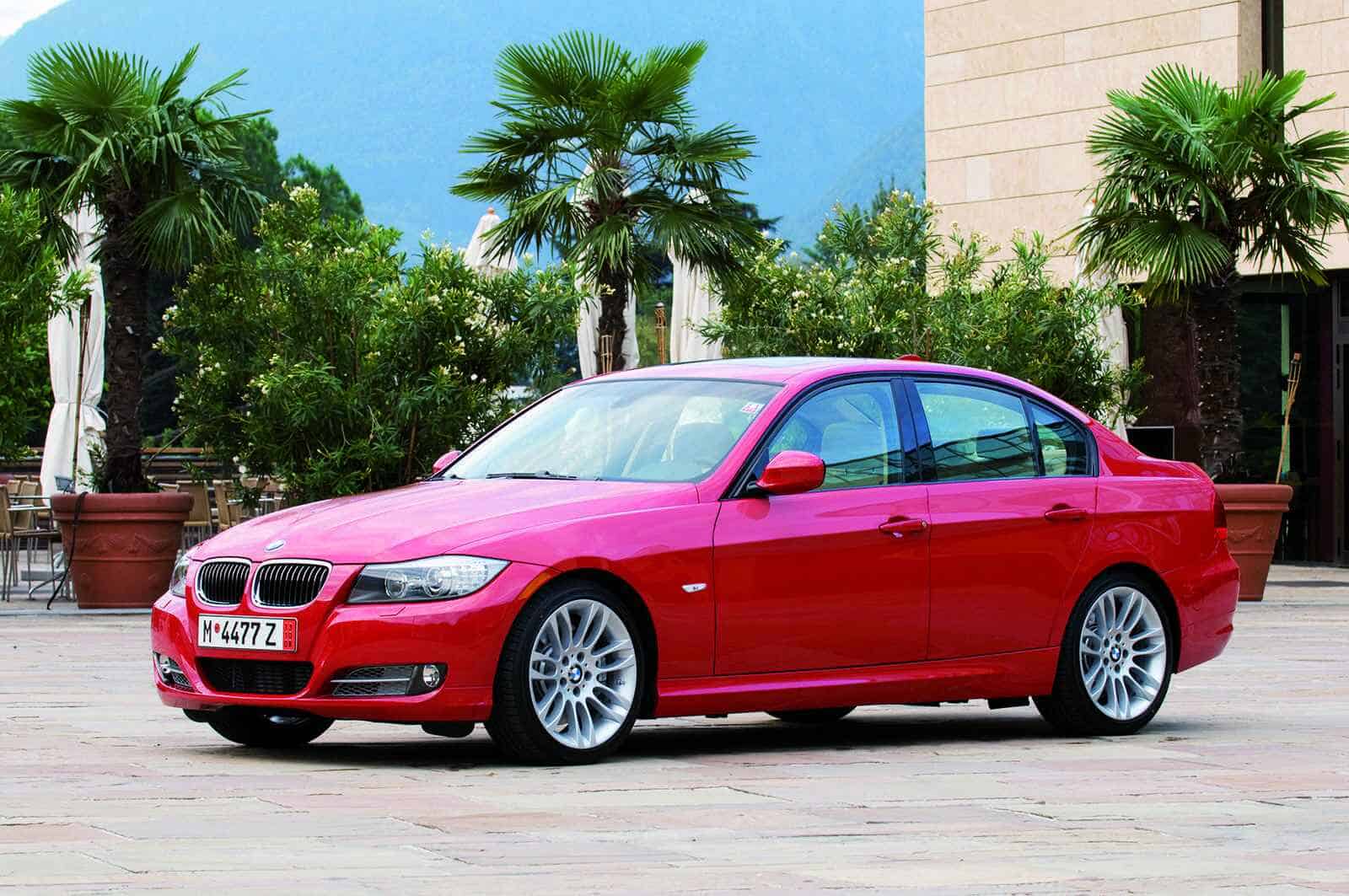
You can buy the last inline-six diesel sedan BMW ever sold in America for under $12,000. It makes more torque than an F80 M3. But almost nobody wants one. The E90 3 Series 335d was sold here for the 2009 and 2011 model years — no US 2010 — in numbers so small they barely registered. The F30 328d that followed used a four-cylinder. BMW has not offered anything like it in the US since, and given where the brand is heading, they won’t.
What’s Special About The Engine

The M57D30 is a 3.0-liter twin-turbo inline-six diesel making 265 horsepower and 425 lb-ft of torque in US spec. The torque is there from 1,750 rpm — not as a peak you chase up the rev range, but as a constant. The 0-60 time is 5.7 seconds, which is honest but doesn’t tell you much. What it doesn’t capture is that the car pulls in any gear, at any speed, without asking you to downshift first. You don’t plan overtakes in a 335d. You just go.
Highway fuel economy runs into the mid-40s mpg at a steady cruise — better than most four-cylinders, in a rear-wheel drive car with a straight-six.
Why It’s This Cheap
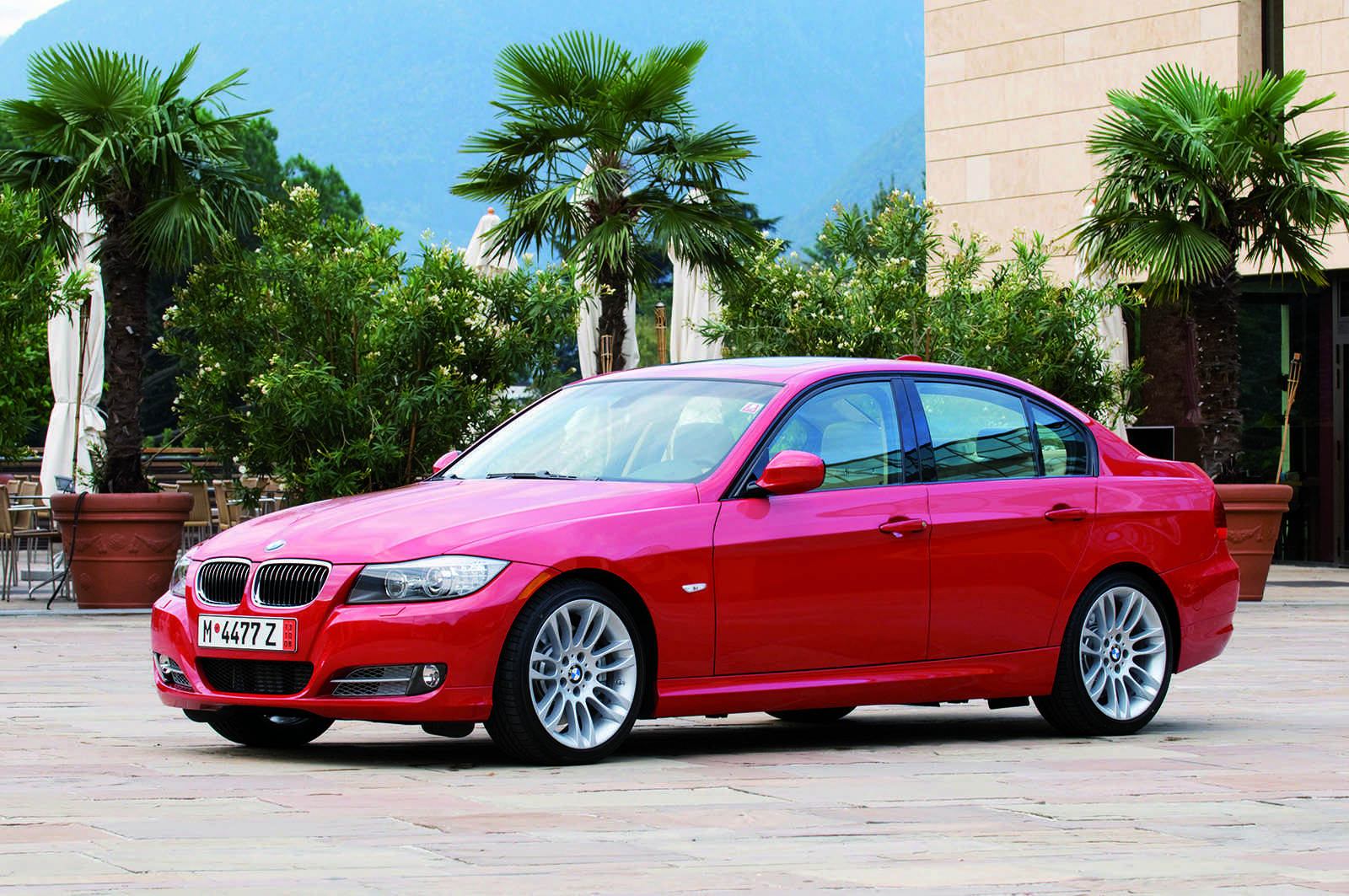
The E90 generation arrived in 2005 carrying a reputation it never fully lost. Enthusiasts compared it to the E46 it replaced and found it heavier and softer — the first 3 Series that felt like a step backward. That verdict attached itself to the whole lineup, including the 335d, whether it was deserved or not. We had a 335i and it was a fantastic car, for what it’s worth.
On top of that: Americans don’t buy diesels. The 335d launched during a recession at $46,000, wearing a badge that most buyers in this market treated as a problem rather than a selling point. The M Sport trim showed up only for the final 2011 model year. Then BMW cancelled it and replaced it with a four-cylinder 328d. The window was that narrow, and the used prices today reflect what happens when a car sells poorly, gets saddled with a diesel stigma, and ages into a market that doesn’t understand it.
Is It A Reliable Car?

The reputation for fragility follows the 335d around, and it’s earned enough that dismissing it would be dishonest. But most of what people blame on the M57 isn’t the M57. Here are some things we gathered from actual owners.
The classic failure chain: the thermostat fails open, the engine runs at 70 degrees instead of 90, the diesel particulate filter never gets hot enough to self-clean, and after a few months of city driving the filter chokes. Owners blame the diesel system; the actual problem was a cheap thermostat that failed quietly months before anyone noticed. Same pattern with the glow plug control module — it fails silently, cold starts get rough, the DPF stops regenerating, and eventually the car goes into limp mode over a part that costs less than $100.
The swirl flaps in the intake manifold are a more legitimate concern. They can break apart and get ingested by the engine. Most informed owners delete them with blanking plates well before that becomes a risk.
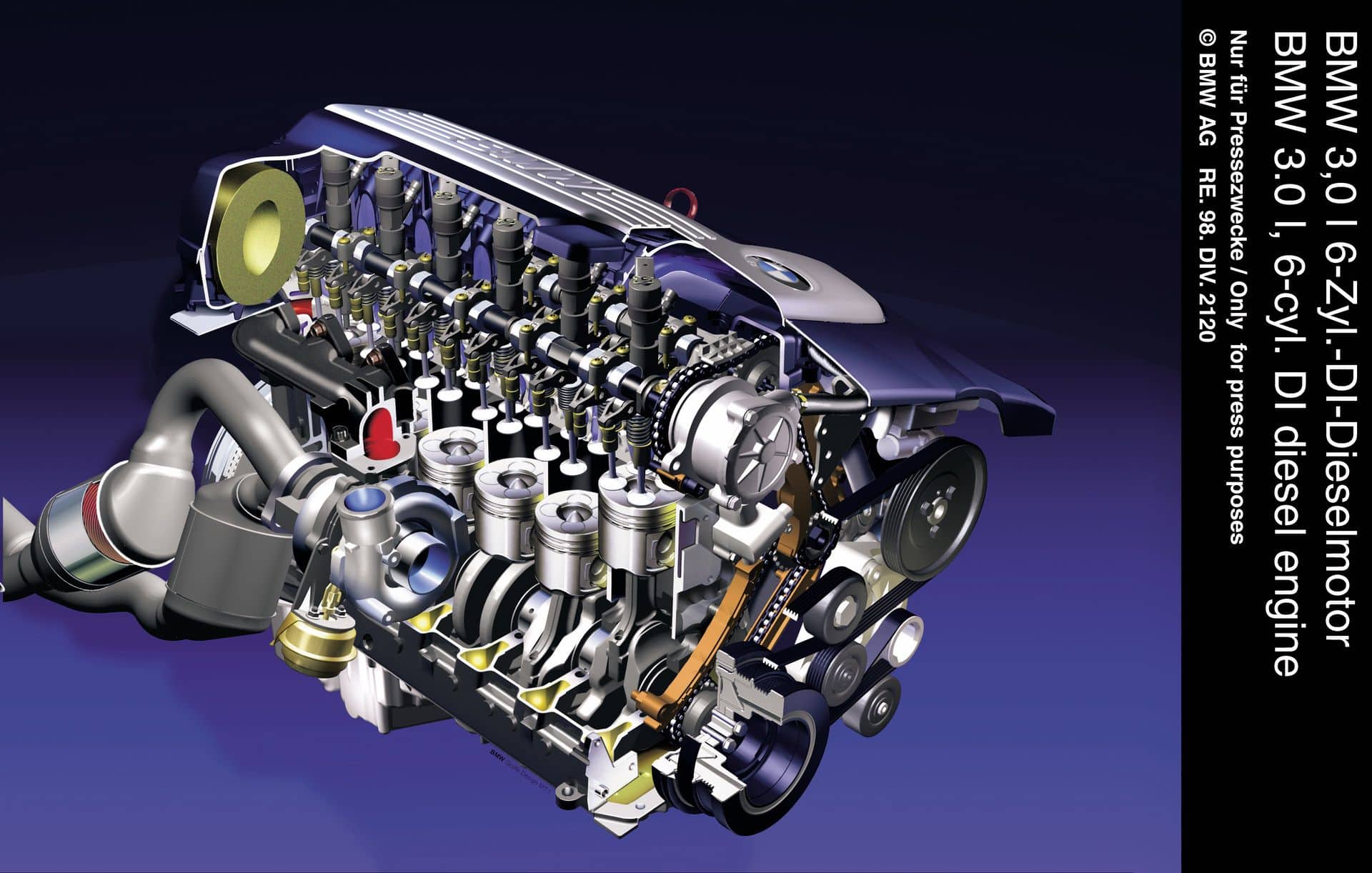
Beyond that, the M57 has the usual high-mileage diesel checklist. The harmonic balancer gets noisy on cold starts and should come out before 100,000 miles. The boost outlet hose perishes and causes boost leaks. Vacuum lines crack with age and are annoying to diagnose. The EGR system carbons up on cars that haven’t seen a motorway in a while. Injectors need attention past 150,000 miles. Turbos need clean oil — the feed lines gum up when services get skipped, which is a far more expensive problem than whatever was saved on oil changes.
US-spec cars get the AdBlue SCR system on top of all that. The temperature sensor in the tank fails and can’t be replaced separately — the whole tank goes, which can be expensive to fix. BMW extended the emissions warranty to 10 years or 120,000 miles. Every 335d on the market now is past both.
None of this is unusual for a European diesel at this age and mileage. The M57’s timing is gear-driven — no tensioned chain, none of the catastrophic failures that took out the N47 four-cylinder that followed it in the lineup. The engine itself is not necessarily the problem. What the car needs is owners who are proactive and replaces things before they fail rather than after.
What You’re Paying Right Now
KBB private-party values sit at $7,040 to $9,290 for a 2011 car, $5,140 to $6,890 for a 2009. Transaction data from several websites puts the average realized sale price across all E90 335d sales at around $14,600 — clean M Sport examples have fetched up to $28,000 as recently as 2023, distressed AdBlue wrecks have gone for $5,500. A solid car with full service history, a documented thermostat, and turbos with no shaft play lands around $10,000 to $16,000.
For context: that is the same money as a tired E90 335i with an N54 that already needs injectors.
Clean examples are getting harder to find. These cars never sold in large numbers, and as prices fall, more of them reach owners who can’t keep up with what they need.
Should I Buy One?
If you drive mostly highway miles, the 335d is hard to argue against at this price. Mid-40s mpg, rear-wheel drive, 425 lb-ft that makes the car feel faster than its numbers, and a chassis that the press only started appreciating once new generations of 3 Series came to life.
The 335d rewards people who actually pay attention to their cars. That’s either an appeal or a warning, depending on who you are.