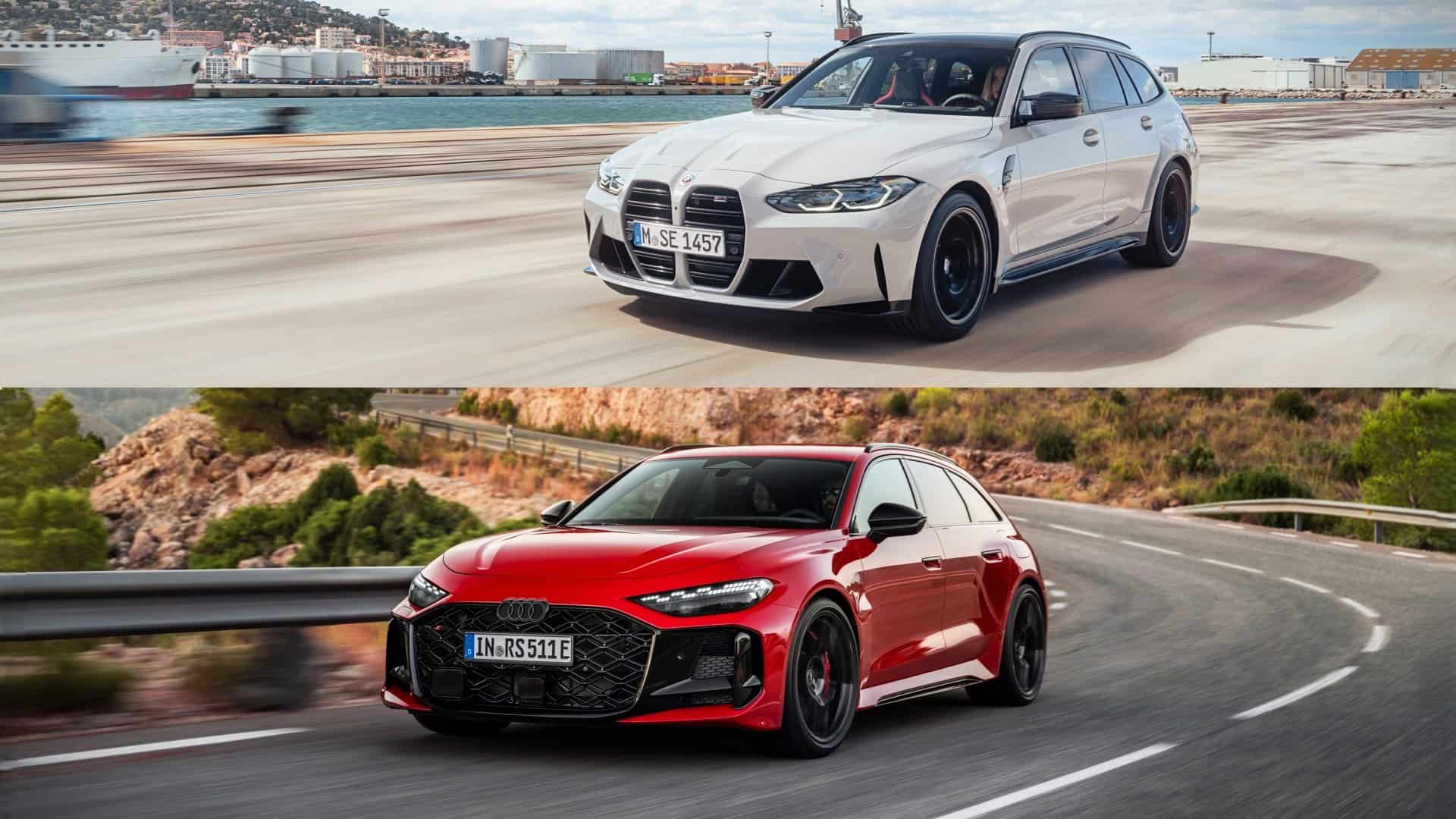
BMW decisively outpaced Audi in the United States during the first quarter of 2026, underscoring a widening performance gap between the German rivals. While BMW continued to build on its momentum across both internal combustion and electrified models, Audi struggled to maintain volume — or even build interest. Especially in its electric lineup. In fact, U.S. sales figures indicate that BMW outsold Audi by more than two to one in Q1 2026.
BMW vs Audi Sales Q1 2026 By the Numbers

Audi reported 29,886 deliveries for Q1, marking the first time since 2012 that the brand failed to surpass the 30,000-unit threshold in a single quarter. The drop is notable not only for its historical context but also for where the softness occurred: key segments like EVs and core SUVs. As a reminder, BMW posted a robust 84,231 vehicles sold. That’s also comfortably ahead of Mercedes-Benz, which recorded 78,500 units over the same period. The result reinforces BMW’s position as the volume leader among German luxury brands in the U.S., with a portfolio that continues to resonate across multiple segments.
A major pressure point for Audi came from its electric vehicle strategy. Sales of the Q6 e-tron, the brand’s newer electric crossover collapsed by 90 percent year-over-year to just 318 units. Most likely, that’s a result of the nameplate skipping a model year ahead of some tweaks for the 2027 model year, which is just landing at dealers. Meanwhile, the smaller Q4 e-tron managed only 96 deliveries. That’s a 95 percent drop year-over-year. BMW, on the other hand, is benefiting from a more diversified electrification approach. The company sold 9,856 battery electric and plug-in hybrid vehicles in Q1, suggesting stronger alignment between product mix and consumer demand. Rather than relying heavily on a few EV nameplates, BMW’s broader lineup appears to be cushioning volatility in the segment.
The story remains similarly bleak in the high-margin SUV category. Audi delivered 10,100 units of the Q5 and 3,554 units of the Q7. BMW significantly outperformed those figures with over 18,000 X5 models sold. The X3 — which just entered a polarizing new generation — even sold better, with the Bavarians moving 17,767 units. 7 units. Perhaps Audi fared better in the traditional sedan department? Not really. Audi moved 4,372 A5 models, while BMW’s 3 Series reached 8,189 units, nearly doubling its rival’s output. Despite industry-wide shifts toward crossovers, BMW’s core sedan lineup continues to deliver meaningful volume. Which is even more surprising when you consider the G20 3 Series is now getting on in years; it debuted back in 2018. Meanwhile, Audi’s newest 3er fighter entered a new generation just last year.
Any Good News on the Horizon?

Taken together, the Q1 results point to execution rather than macro conditions as the differentiator. A turbulent global economy isn’t helping matters, mind you. But BMW’s balanced portfolio, steady EV rollout, and strong SUV demand have created a durable advantage. Audi must stabilize EV performance and reinforce its core lineup before the gap widens further in 2026. A new X7-fighter, the Audi Q9, should arrive this year alongside a redesigned Q7. Those additions to its SUV portfolio could steer sales in the right direction. High-adrenaline models like the new Audi RS 5 should also generate a bit of movement. Will it be enough to beat BMW? Probably not this year.
Source: AN