In this week’s Ask Nathan:
- What’s up with the Ford UEV?
- Aston Martin DBX-S: I drive something amazing.
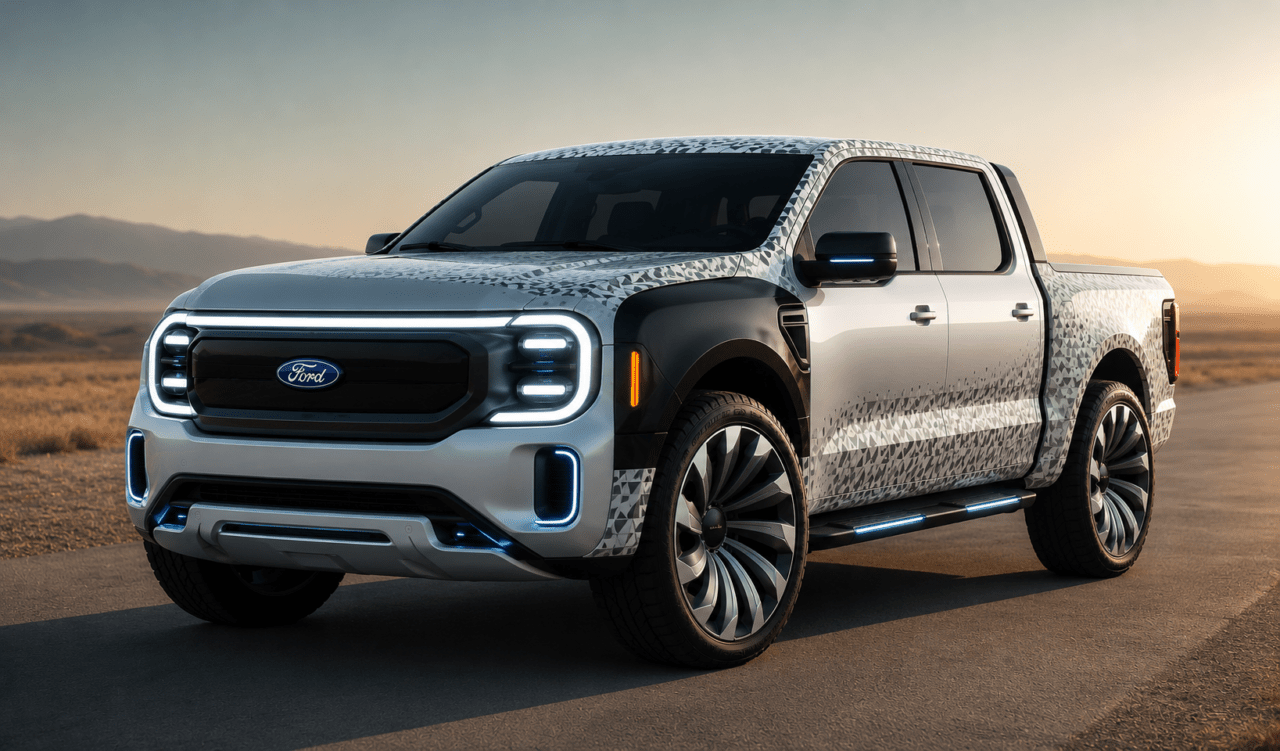
The first question comes from a fan who wants to know if there are any updates with the upcoming Ford UEV pickup truck.
*Note: I upped this question to the front of the cue, as there were some recent sightings by my friend David Tracy from the Autopian.
Q: Ford Truck Details Inquiry
Hey Nathan,
How are you?
When do you guys expect Ford to announce more details on the upcoming $30K electric truck? I think I read that they will begin taking orders later this year…Have you guys heard of any upcoming press or event dates?
I saw “spy” photos (and video) this week where a camouflaged prototype was driving in California. Hope you get to see one soon if you haven’t already. It looked small…hopefully it has at least similar towing capability as a Maverick with 4K Tow Package, and an option for decent ground clearance to easily make it to remote trailheads and campsites.
Would you anticipate Ford offering a range extender option for the new vehicles on the UEV platform? They’ve previously said the next Lightning will be an EREV, though if price is still over $50k it will limit many from purchasing it. A smaller EREV that can tow a few thousand pounds close to $30K would be perfect!
In the meantime, I’m considering purchasing a new Maverick. I’ve seen you guys have done various tests comparing both engines. Do you guys have any long distance mileage comparisons between the EcoBoost and Hybrid, when towing a small enclosed cargo trailer (around 5’ or 6’ wide)? I’m curious what the mpg difference would be when towing around 55 mph, as I’m thinking of getting a trailer for this small truck to tow on cross country trips (and driving no faster than 50 or 55 for longer range between stops for gas). I’d also be interested to know if the hybrid yields noticeably better mpg without Tow/Haul mode so it can turn off the gas engine at times for better efficiency.
— Mark
A: Hi Mark!
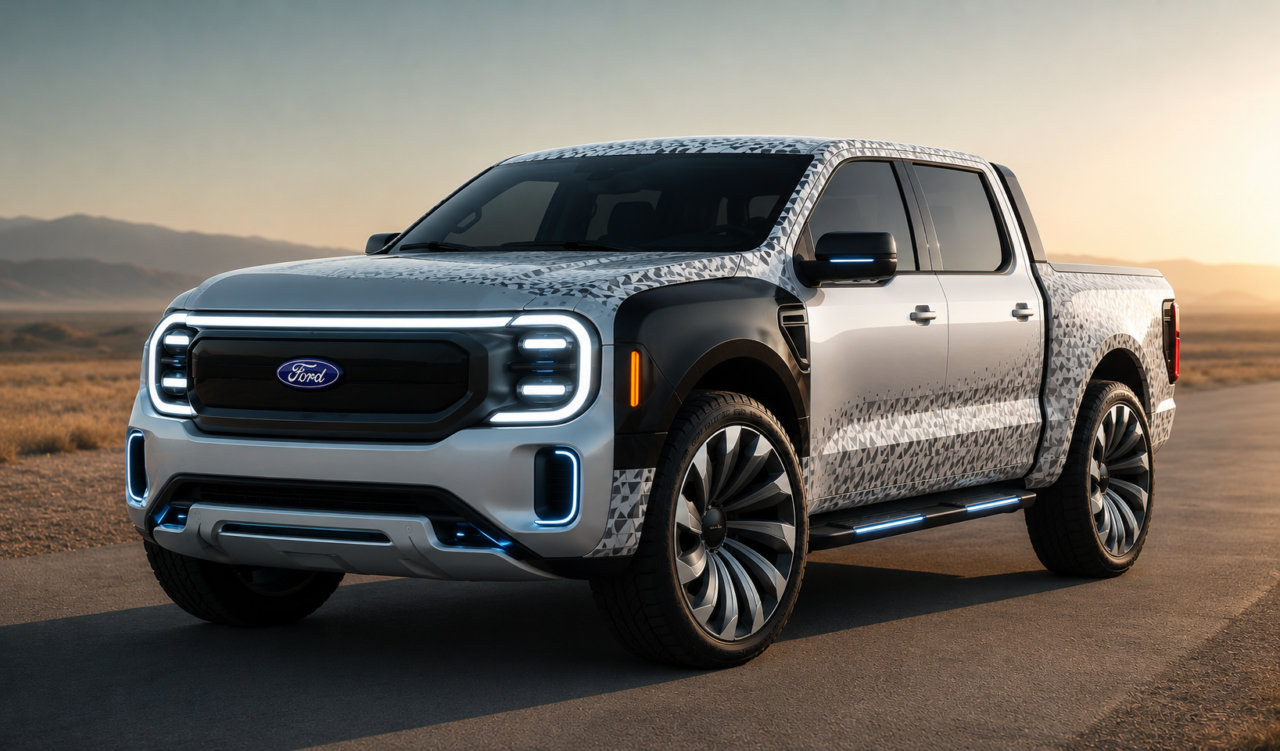
Right now, it appears that Ford’s UEV pickup has entered the later stages of testing and is being evaluated on public roads. That’s a positive sign, and we’ve already been able to learn quite a bit from what we’ve seen so far. At the moment, the prototype appears relatively low to the ground and looks slightly smaller than the Ford Maverick.
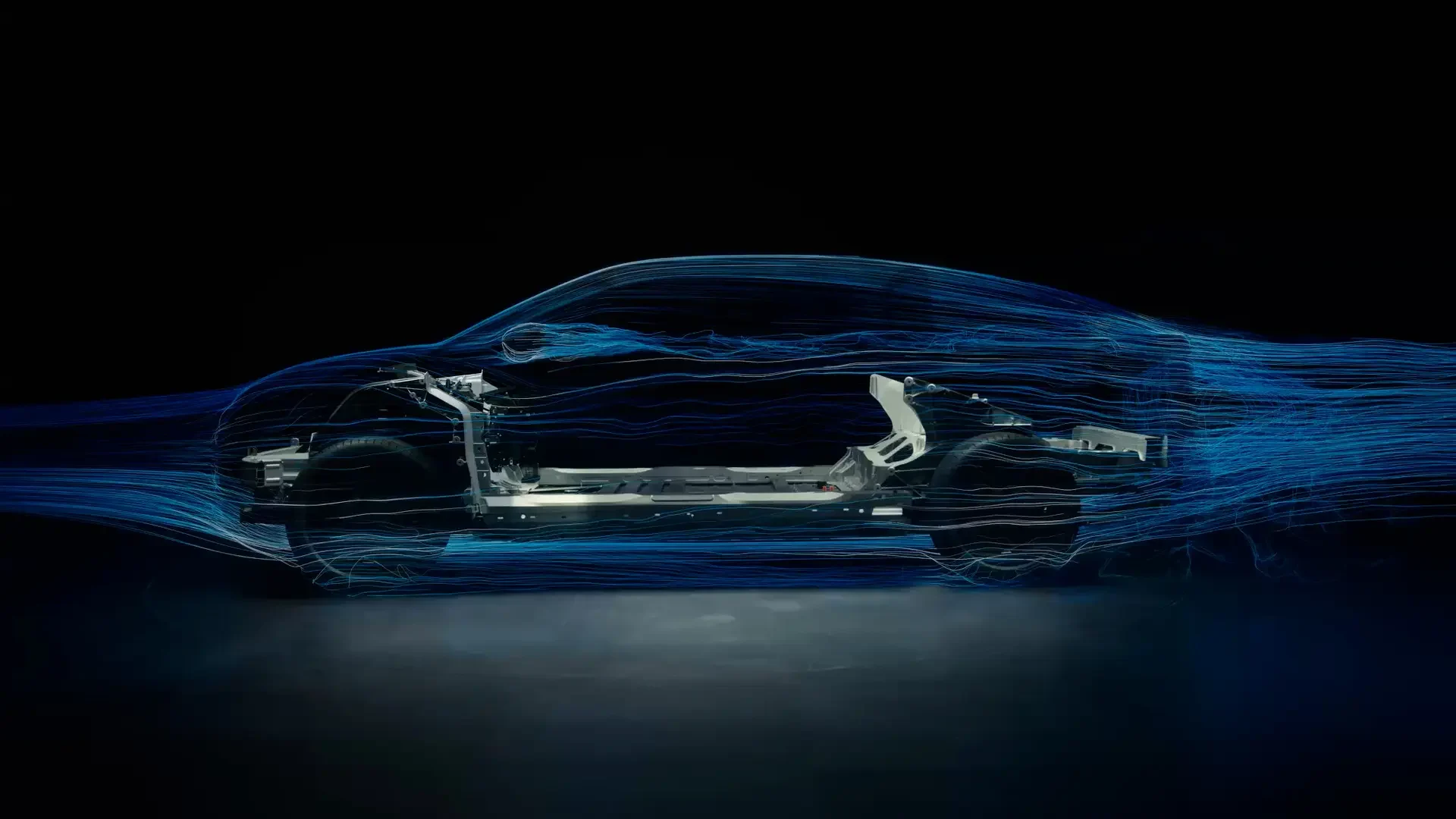
The UEV platform is extremely important to Ford’s future plans. The company hopes to build several vehicles on this architecture, allowing it to spread development costs across multiple products. In theory, that could lead to a range of more affordable electric vehicles in different body styles.
It also suggests that Ford has not abandoned its EV ambitions. However, the company may be considering a range-extender (REX) system to supplement its battery-electric UEV technology. I mention that because Ford has reportedly been exploring a REX solution for the now-discontinued F-150 Lightning program. If a range-extender system can improve the appeal and practicality of a larger electric pickup, it’s reasonable to wonder whether similar technology could eventually find its way into a smaller truck as well.
That’s not to say it will happen, but the possibility certainly exists. Fortunately, we should learn much more as development progresses and additional information becomes available.
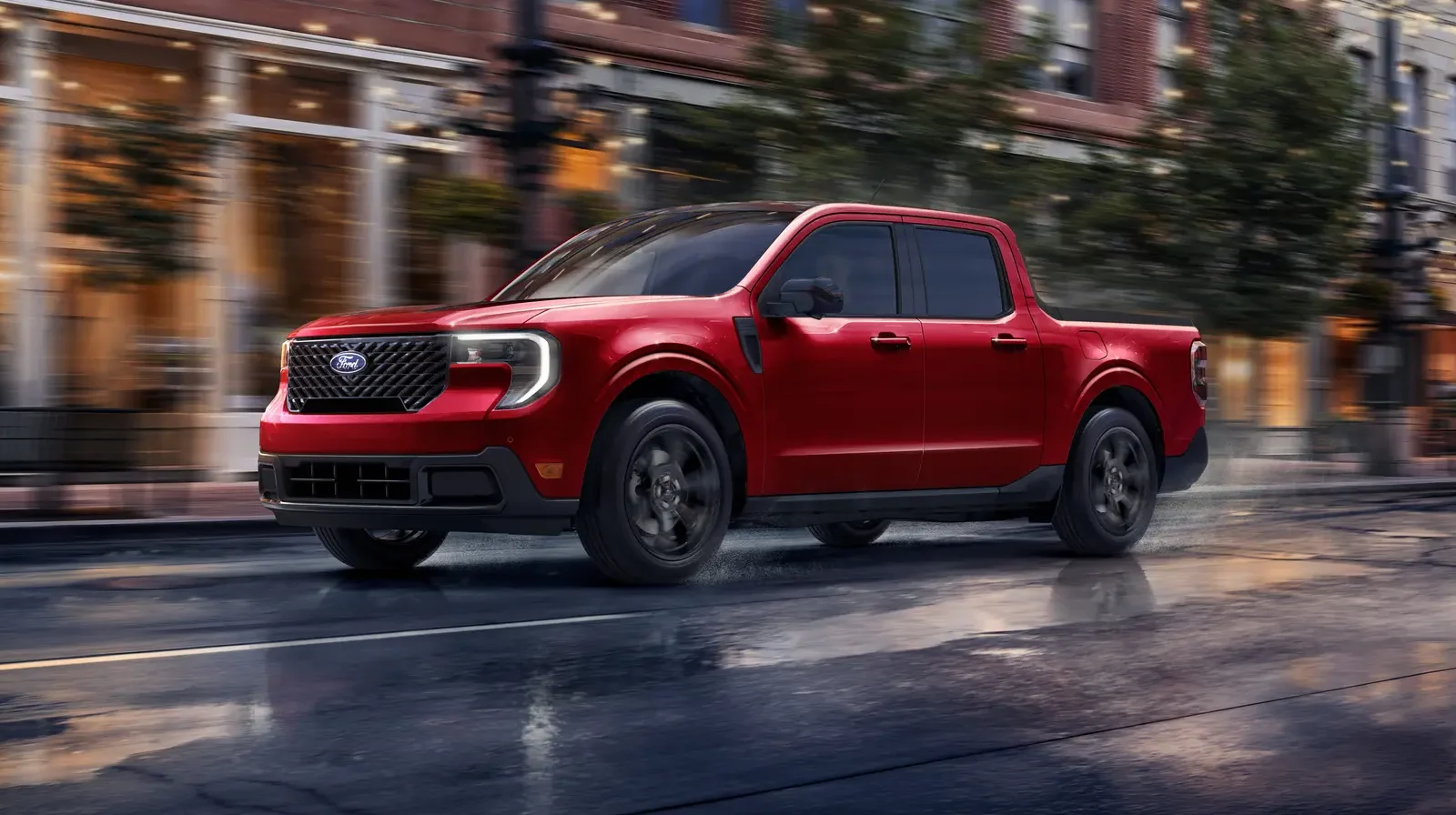
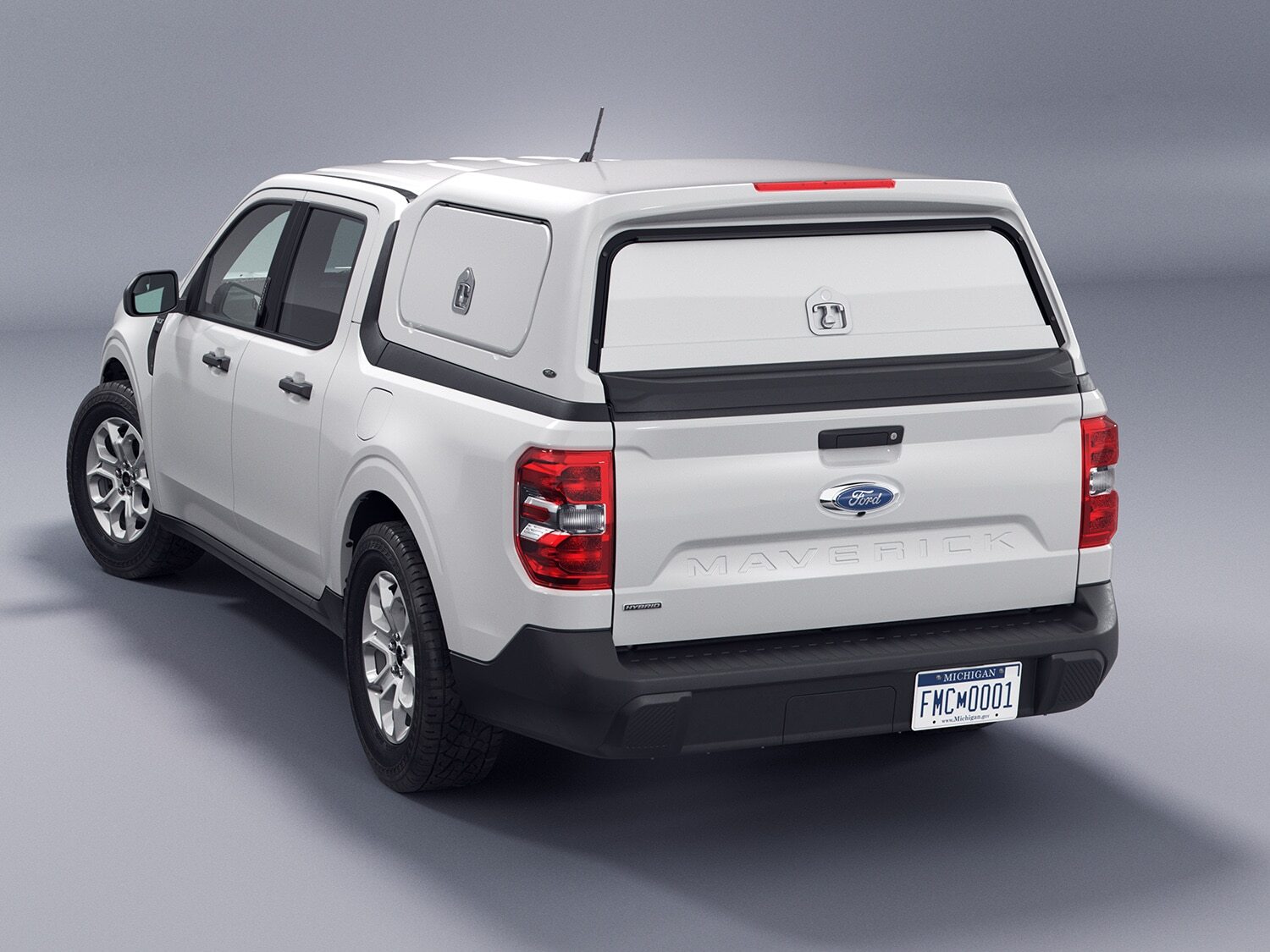
Your second question: the Ford Maverick turbo vs hybrid towing…
We have yet to conduct a true long-distance towing test with both vehicles, and I doubt the team will do one using trailers that match your specifications. Our towing tests typically involve flatbed trailers carrying some type of load, and we rarely tow farther than what’s required to complete the Ike Gauntlet.
That said, I would not recommend the Ford Maverick Hybrid over the EcoBoost turbo model if towing is a priority. Simply put, the turbocharged engine is less stressed when pulling a load and is the better towing vehicle overall. If you plan to tow frequently, I would also suggest considering a base-model Ford Ranger.
As for fuel economy under load, I suspect the gap narrows considerably when towing. However, I still expect the hybrid to deliver better fuel economy than the turbo, despite the turbo being less stressed.
One thing to keep in mind is that the videos I provided are not a direct apples-to-apples comparison. The hybrid video features an older, front-wheel-drive Maverick, while the turbo video uses a newer all-wheel-drive model. They are also towing different loads. Even so, the videos provide a useful illustration of how towing can significantly affect fuel economy.
— N
And…
The last question comes from a fan who is keeping an eye on videos I’m dropping; including an Aston Martin DBX-S I recently tested.
Q: Via Facebook: Aston Martin DBX S – was it you?
So did you drive the Aston Martin in this video?
– Seng Gu
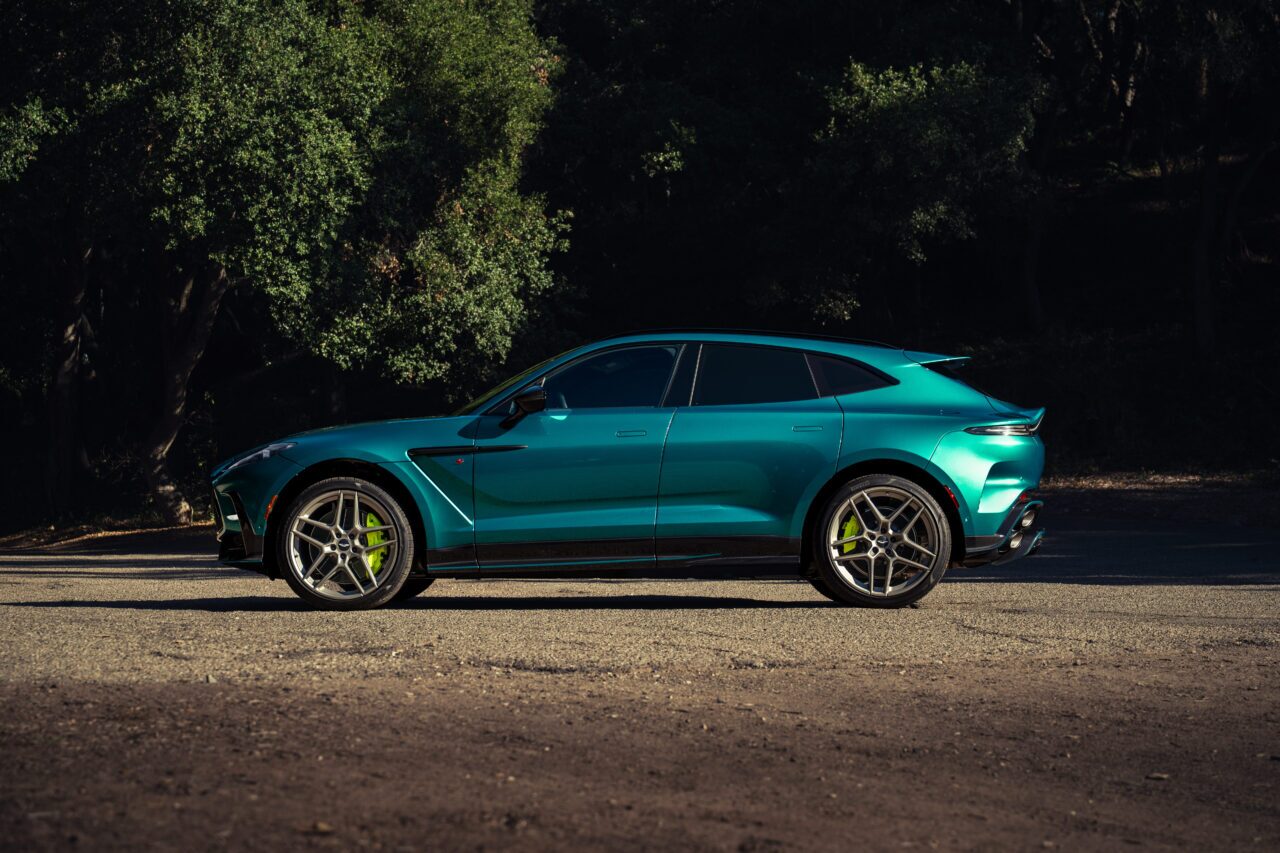
A: Yes, I did drive the Aston Martin DBX S, and it was biblically awesome.
The first thing I need to stress is that this vehicle doesn’t really feel like a traditional Aston Martin. Even so, it’s nearly impossible not to grin like an idiot behind the wheel. That’s especially true when you’re carving through back roads while chasing friends in exotic sports cars. Not only did it keep up, but the damn thing actually overtook some of those fiery machines.
Without question, the Aston Martin DBX S is extraordinary. It’s modern and sophisticated while somehow feeling tribal and primitive at the same time. The experience is almost surreal. With its additional performance upgrades, massive wheels, enlarged stacked exhaust outlets, and more aggressive styling, the DBX S looks angry before it even starts moving.
Priced at roughly $275,000, it firmly occupies the ultra-premium segment, but it constantly reminds you why it costs so much. You’re paying for a more potent version of the already formidable DBX707, and that’s exactly what Aston Martin has delivered. For some buyers, the extroverted personality may be a bit too much. Fortunately, other, less polarizing versions of the DBX remain available, and they’re excellent in their own right.
Both vehicles use a twin-turbocharged 4.0-liter V8, and both sound phenomenal when you put your foot down. The DBX S produces 717 horsepower and retains the muscular soundtrack you’d expect from its AMG-derived foundation. According to Aston Martin, the turbochargers have been upgraded with technology derived from the Valkyrie program. Engineers also removed weight through extensive use of carbon fiber and components such as massive 23-inch magnesium wheels. The result is a vehicle that is sharper, quicker, and more focused than the DBX707, which was already an absolute beast.
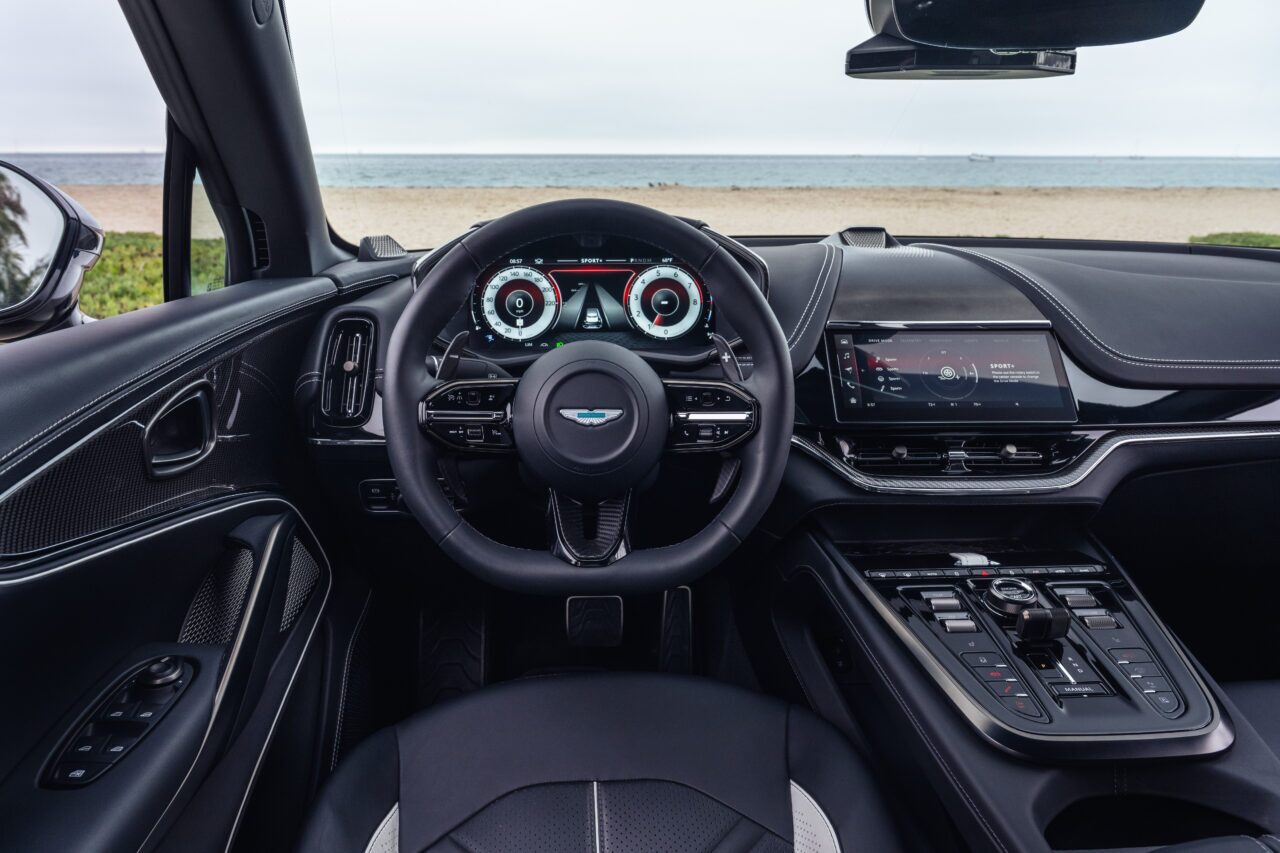
Inside, portions of the cockpit borrow styling cues from the Aston Martin Vantage. That’s a good thing because much of the technology is intuitive and easy to use. The vehicle features Apple CarPlay Ultra, although I found it somewhat finicky during my time with the SUV. As a result, I spent far more time concentrating on the performance aspects of the DBX S.
With more power and less weight, the DBX S establishes itself as a performance benchmark in this segment. Oddly enough, it doesn’t feel quite as fast as it actually is. That’s largely due to the cabin design and overall refinement. While not as whisper-quiet as some of its German rivals, it’s still a comfortable and rewarding place to spend time. My biggest complaint is the excessive use of carbon fiber trim throughout the interior. While some buyers may love the look, I found it a bit overwhelming.
Even so, that’s a minor criticism of an SUV that somehow manages to combine supercar pace, luxury-car comfort, and genuine driving engagement into one wildly entertaining package.
– N