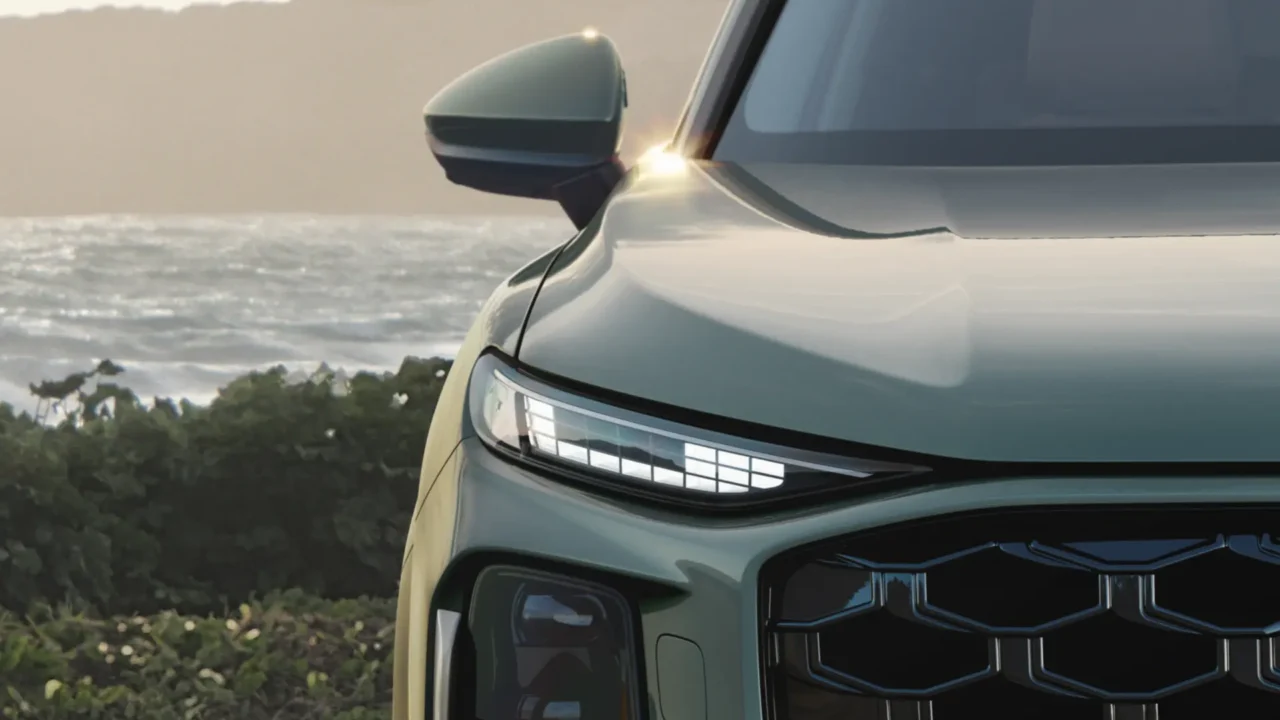
Audi’s Digital Matrix LED headlights can dim zones of each beam for oncoming drivers, but the tech hasn’t been available in the U.S. until now.
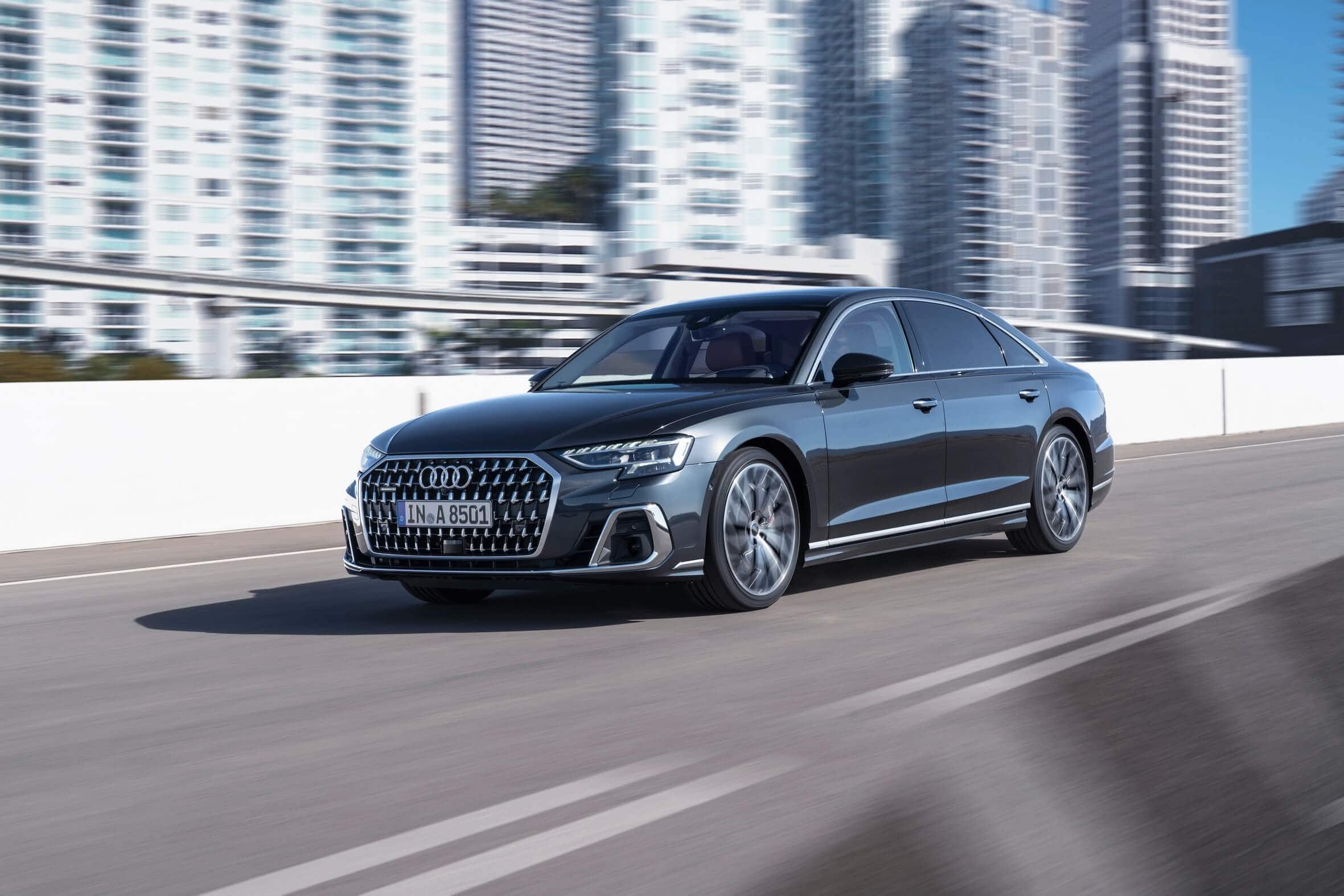
There’s no denying headlight technology across most modern cars is far better than what we had in past decades…at least for drivers. As high-performance and more efficient LEDs have become the norm, the carousel of progress creates a secondary problem, though. You know it well whenever you’re driving at night: getting blinded by these more powerful headlights. Audi developed a solution to that problem by way of its Digital Matrix LED headlights, and it’s been around for well over a decade. However, archaic Department of Transportation rules prevented their use in the United States until 2022, and now we’re finally going to see this technology in effect, as it debuts on the 2027 Audi Q9.
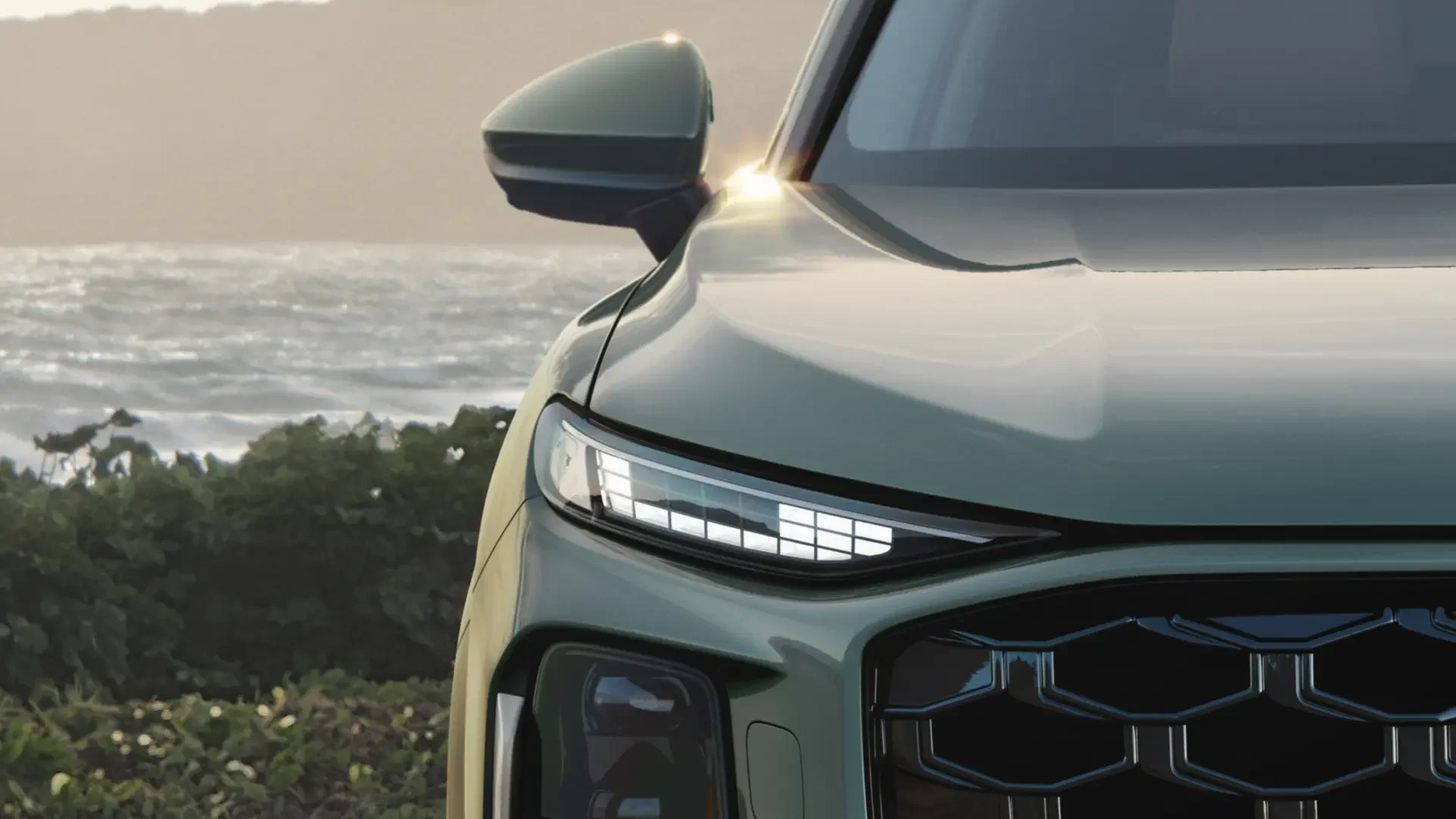
Thanks to the rule change, Audi can offer up tech that uses thousands of micro-LEDs to more precisely control where light is blasted at any given moment. In fact, the Q9 has 25,600 of these micrometer-sized diodes on each headlight. When you come up on any upcoming traffic, the car’s front-facing cameras can work out where traffic is. From there, it can individually dim LEDs to effectively shield oncoming drivers from blinding glare as they move past. True, we have automatically dipping high-beam technology already, but this ostensibly offers the best of both worlds. Oncoming drivers aren’t reeling from intense, bright light, and you’ll still have illumination on both sides of the road at the same time.
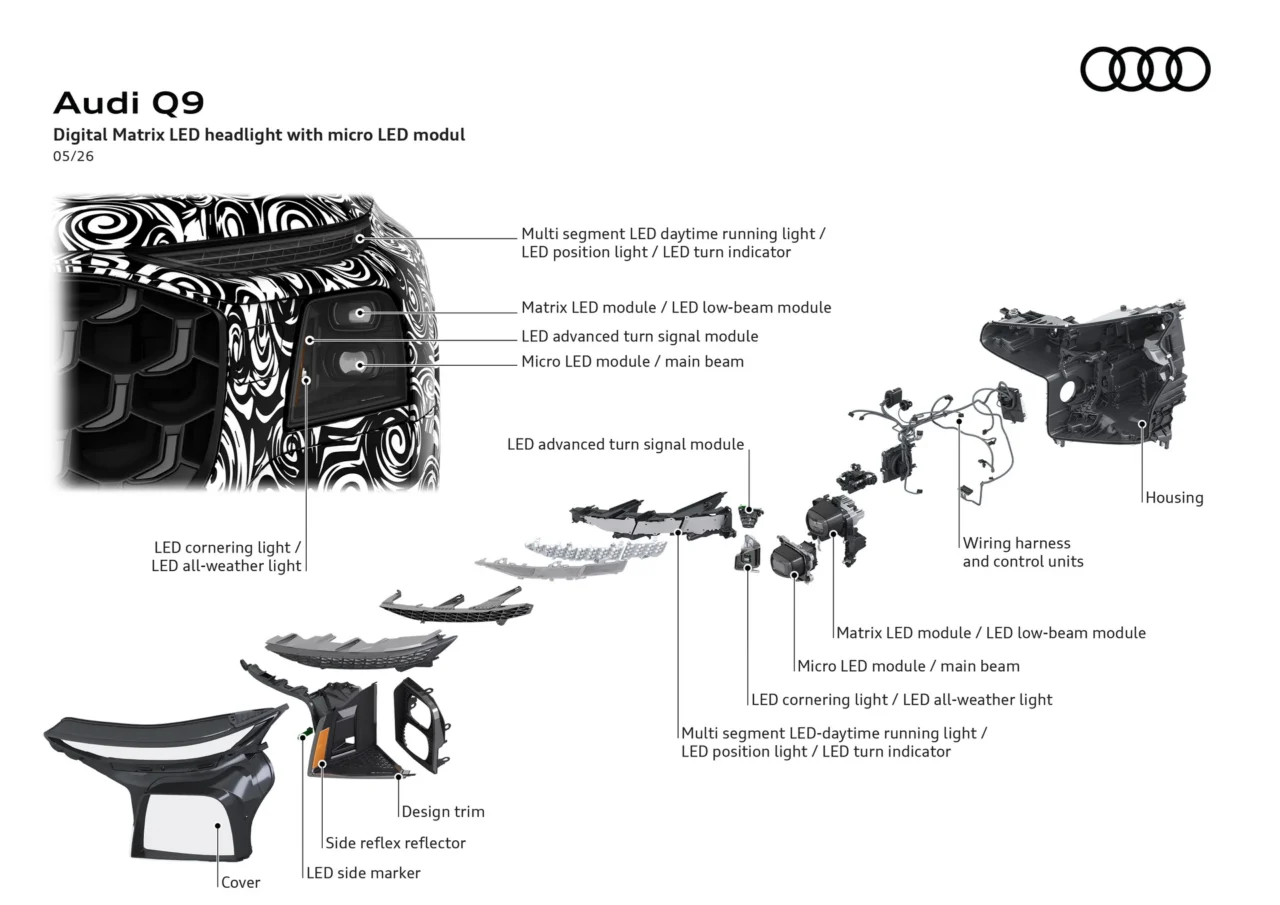
Audi isn’t the only automaker to develop similar technology, to be clear. The Rivian R1S, for instance, has adaptive drive beams that can dip the headlight on the side of oncoming traffic while keeping the high-beam on the other side (arguably, where you really need to see far ahead). However, the Q9 will be among the first car to actually deploy on American roads, which is a sign that other cars will likely be able to bring more advanced adaptive headlight technology to drivers.
There is an elephant in the room with this latest digital matrix tech and similar solutions I’d be remiss to ignore, and that is cost. Audi doesn’t divulge how much each of these units would cost to replace, though that is the flip side of the old halogen-beam days: It won’t be cheap. Much like the rest of today’s ADAS systems, though, if there’s a possibility this technology will prevent expensive accidents happening in the first place, then you could argue the benefits outweigh the cost.
Speaking of cost, we don’t know how much the 2027 Audi Q9 will set you back just yet. We should know that in the next few months as we near the debut, though we expect this new flagship family SUV to start somewhere in the $70,000 to $80,000 range. Getting a model with Digital Matrix LED lights might come in a bit closer to six figures. Audi says the technology will be “available” to U.S. customers but did not say it will be “standard”, so you may have to get something like a Prestige trim or the SQ9 (which will definitely come in around $100K) to actually have it.