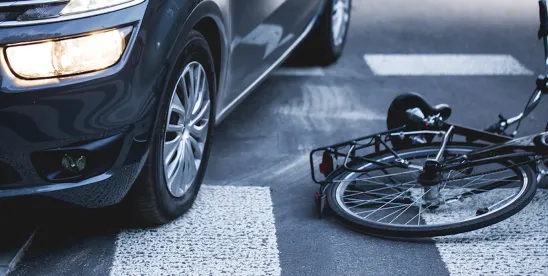
Spring break is a popular time for people to travel, celebrate, and spend more time outdoors. Warmer
weather draws more foot traffic to neighborhoods and streets, and with that comes a greater mix of
pedestrians and drivers sharing the road. As activity picks up, so does the risk of pedestrian accidents,
making it important to understand how to stay safe during this busy season.
Why Spring Break Can Be Risky for Pedestrians
Roads tend to be more crowded during spring break than at other times of the year. Tourists may be
unfamiliar with local traffic patterns, and drivers can easily become distracted by navigation apps,
passengers, or the increased activity around them. Late nights and alcohol use can further raise the risk
by leading to impaired driving or impaired walking.
Pedestrians are particularly vulnerable in these situations because they have little protection in a collision.
Even at lower speeds, a crash can result in serious injuries such as fractures or head trauma.
Common Causes of Pedestrian Accidents
Several factors can contribute to pedestrian accidents, including:
● Distracted driving, such as texting or using a GPS
● Speeding in busy or unfamiliar areas
● Failure to yield at crosswalks
● Driving under the influence
● Pedestrians crossing outside of designated areas
● Reduced visibility at night
Being aware of these risks is the first step toward staying safe.
Safety Tips for Pedestrians
If you plan to be out and about during spring break, keep the tips below in mind:
● Use crosswalks and follow traffic signals whenever possible
● Make eye contact with drivers before crossing the street
● Stay visible by wearing bright or reflective clothing, especially at night
● Avoid distractions like texting while walking near traffic
● Be cautious in parking lots and near driveways
● If you have been drinking, stay with a group and remain aware of your surroundings
What to Do After a Pedestrian Accident
If you were involved in a pedestrian accident, acting quickly can protect both your health and your legal
rights. Seek medical attention right away, even if your injuries seem minor, and report the accident to law
enforcement. Collect contact information from the driver and any witnesses, and take photos of the scene
if you are able. Avoid discussing fault at the scene, as those conversations can complicate matters later.
Pedestrian accidents can lead to serious, long-term consequences, and insurance companies often try to
minimize payouts or shift blame onto the injured party. An experienced pedestrian accident attorney can
investigate the accident, gather evidence, and advocate on your behalf so you can focus on your
recovery.
Conclusion
Spring break should be a time to relax, not to deal with the aftermath of an avoidable accident. By staying
alert and taking simple precautions, both pedestrians and drivers can do their part to keep the roads safer
for everyone.