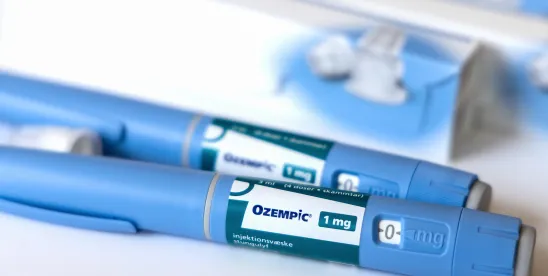
Ozempic, Wegovy, Mounjaro, and Zepbound have become widely recognized medications in recent years, offering significant benefits for managing type 2 diabetes and supporting chronic weight management. However, as their use has surged—driven by impressive weight loss results and media attention—reports of serious side effects have also increased across this class of GLP-1 receptor agonist drugs. This has sparked growing concerns and legal actions against manufacturers Novo Nordisk (Ozempic and Wegovy) and Eli Lilly (Mounjaro and Zepbound).
These drugs belong to a class called GLP-1 receptor agonists (GLP-1 RAs), which mimic natural hormones to regulate blood sugar, slow digestion, and reduce appetite. While effective for many, emerging evidence and user experiences have highlighted potential risks that were not always clearly communicated.
How These Drugs Work and Their Approved Uses
- Ozempic (semaglutide): FDA-approved primarily for controlling blood sugar in adults with type 2 diabetes. It is frequently prescribed off-label for weight loss.
- Wegovy (semaglutide): Specifically approved for long-term weight management in adults with obesity or those who are overweight with weight-related health conditions.
- Mounjaro (tirzepatide): FDA-approved for controlling blood sugar in adults with type 2 diabetes, often used off-label for weight loss.
- Zepbound (tirzepatide): Specifically approved for chronic weight management in adults with obesity or overweight conditions related to health issues.
Tirzepatide works similarly to semaglutide but targets both GLP-1 and GIP receptors, which can lead to even greater average weight loss in studies (up to 20-21%) when combined with lifestyle changes.
Reported Serious Side Effects and Health Concerns
While common side effects like nausea, vomiting, and diarrhea are well-known, more severe complications have been linked to these medications through medical studies, adverse event reports, and ongoing research.
These risks have been reported across GLP-1 drugs, including those containing semaglutide (Ozempic, Wegovy) and tirzepatide (Mounjaro, Zepbound).
Key concerns include:
- Gastroparesis (Stomach Paralysis): This condition involves delayed stomach emptying due to weakened stomach muscles, leading to persistent nausea, vomiting, bloating, abdominal pain, and malnutrition. Severe cases may require hospitalization, feeding tubes, or surgical intervention. Diagnosis often involves objective testing, such as a gastric emptying study (scintigraphy), wireless motility capsule, or breath test.
- Severe Vision Injuries: Recent studies have associated these drugs with an increased risk of non-arteritic anterior ischemic optic neuropathy (NAION), a condition that reduces blood flow to the optic nerve and can cause sudden, permanent vision loss or blindness in one or both eyes. Other potential eye-related issues include retinal vein occlusion and macular degeneration.
Additional reported complications may involve gallbladder issues, pancreatitis, ileus (bowel paralysis), intestinal obstructions, and other gastrointestinal problems.
If you have taken any of these medications and experienced persistent or severe symptoms, consult a healthcare provider promptly for evaluation and diagnosis.
The Growing Wave of Lawsuits
Thousands of individuals have filed claims against Novo Nordisk and Eli Lilly, alleging inadequate warnings about these serious risks.
Current litigation status (as of February 2026):
- Federal Multidistrict Litigation (MDL No. 3094): Over 3,100 cases are consolidated in the Eastern District of Pennsylvania, addressing gastrointestinal injuries like gastroparesis, ileus, and bowel obstructions across GLP-1 drugs, including Ozempic, Wegovy, Mounjaro, and Zepbound.
- Separate MDL for Vision Loss (MDL No. 3163): Established in December 2025, this handles claims related to NAION and other vision injuries, with around 30-40 pending cases and growing filings.
- Key Allegations: Failure to warn about risks like gastroparesis and NAION, plus misleading marketing. The litigation remains in early stages, with discovery ongoing and potential bellwether trials in mid-2026 or later.
Important Considerations for Potential Claims
Lawsuits typically focus on name-brand versions (Ozempic, Wegovy, Mounjaro, Zepbound), as claims against generics face significant hurdles and are generally not viable.
To explore eligibility:
- Use of the name-brand medication (semaglutide or tirzepatide-based).
- Medical documentation confirming the injury (e.g., gastric emptying studies for gastroparesis or eye exams for vision issues).
- Timely action due to varying state statutes of limitations.
Compensation in such cases may cover medical expenses, lost income, pain and suffering, and other damages, depending on individual circumstances.
If you or someone you know has suffered severe side effects after using Ozempic, Wegovy, Mounjaro, Zepbound, or similar GLP-1 medications, consider seeking professional legal advice to understand your options.
Always prioritize your health by discussing any concerns with a medical professional, and remember that this information is for educational purposes and not a substitute for personalized legal or medical advice.