SPONSORED CONTENT
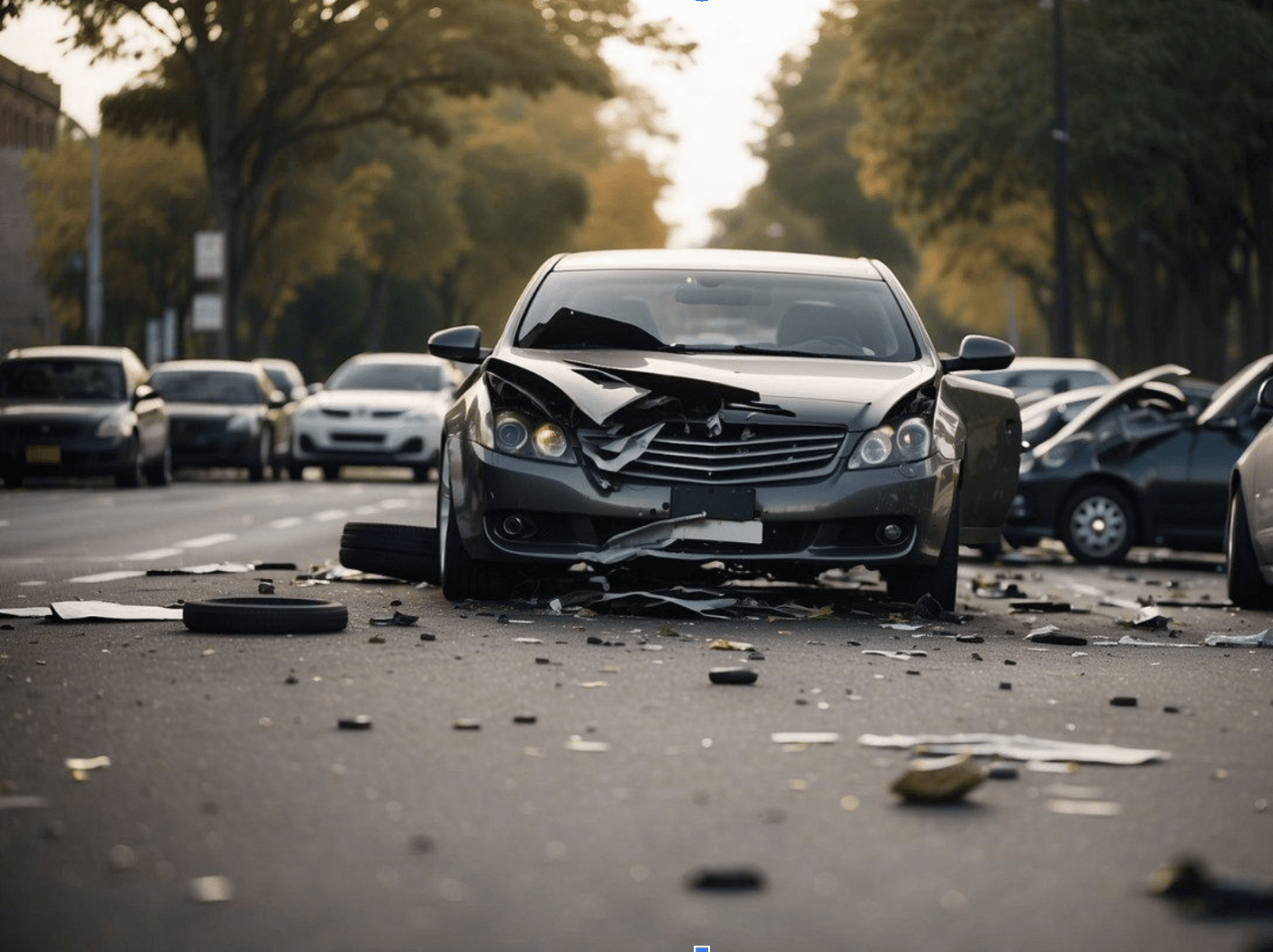
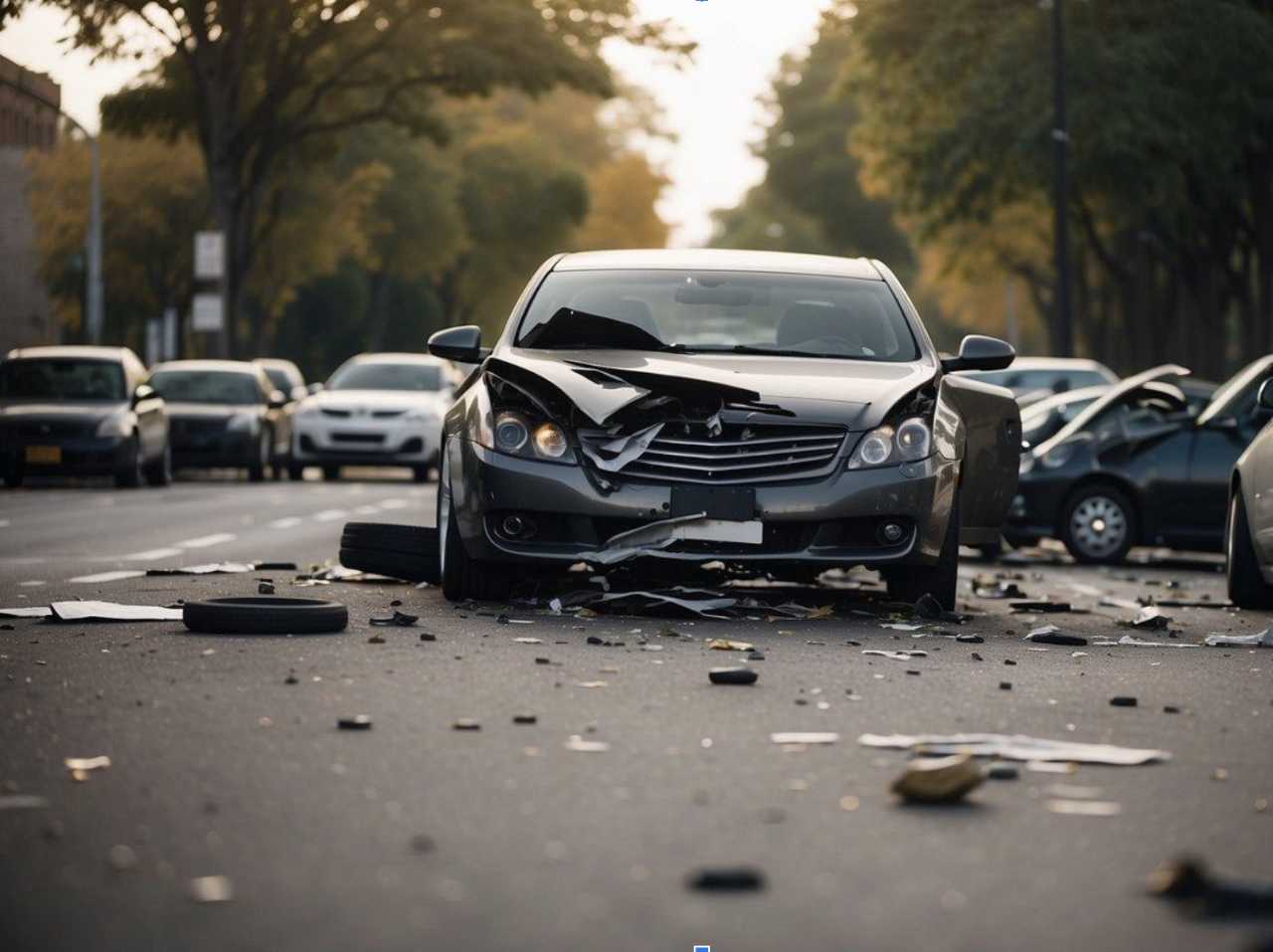
Picture this: you’re cruising down a packed interstate in your trusty 2015 Volkswagen GTI when a beat-up sedan aggressively cuts across three lanes, slamming on its brakes right in front of a heavy-duty pickup. Intentional? Absolutely. And it’s happening more often than you’d think.
This recent rise in staged collisions on highways prompted New York Governor Kathy Hochul to note that these staged crashes are driving premiums to an average of $4,000 per year. While regular accidents happen all the time (driver inattention alone caused 5,322 crashes in New York City during Q1 2025), organized crime rings are intentionally causing multi-vehicle wrecks for massive payouts.
What Exactly Is a Staged Highway Crash in 2026?
The “Swoop-and-Squat” Maneuver
These fraud rings operate with terrifying precision, turning everyday traffic into a dangerous trap. The most common tactic? The “swoop-and-squat.” Two criminal vehicles work together: the first “swoops” in front of the second, forcing it to “squat” (slam on its brakes) right in front of an unsuspecting victim.
Criminals usually target heavy SUVs or commercial trucks because those vehicles can’t stop quickly, almost guaranteeing a violent rear-end collision.
This isn’t rare, either. A recent FBI investigation called “Operation Sideswicket” uncovered over 246 likely staged wrecks where drivers intentionally hit 18-wheelers to secure massive medical payouts. In dense urban areas, fraudsters easily blend their intentional acts into the chaos of daily traffic. With 19,116 motor vehicle collisions in New York City during just the first three months of 2025, it’s incredibly easy for these criminals to hide in plain sight.
How Do You Protect Your Truck or SUV From Fraudsters?
Telemetry and Dashcams
Fraudsters keep upgrading their methods, making it harder to prove your innocence after a crash. Some criminals are even using AI to fake vehicle damage to extract larger insurance payouts. So how do you fight back?
You rely on cold, hard facts recorded by modern technology. Your truck’s built-in telematics data (such as Advanced Driver Assistance Systems, or ADAS) and a high-quality 4K dashcam can serve as your best defense against false claims. Here’s how the main types of evidence stack up:
| Evidence Type | Effectiveness Against Fraud | Initial Cost | Pros | Cons |
|---|---|---|---|---|
| Dashcam video | High | $100 – $300 | Clear, timestamped visual proof | Can be overwritten if not saved quickly |
| Vehicle telemetry data | Medium-High | Built-in (free) | Shows exact braking, speed, and steering inputs | Requires an expert to extract and interpret |
| Eyewitness accounts | Low-Medium | Free | Offers a third-party perspective | Memory is unreliable; witnesses often leave |
But even clear dashcam footage doesn’t always make things simple. Fraud rings have gotten incredibly sophisticated, often working directly with corrupt legal clinics to inflate medical bills and force massive payouts. One recent $300 million fraud scheme involved an entire family staging bogus crashes against ride-share vehicles. Another fraud ring involved attorneys who routed phony victims through unnecessary medical treatments, specifically targeting large delivery trucks.
When you’re up against that level of organized crime, video alone might not stop a fraudulent lawsuit from wrecking you financially. That’s why having a seasoned New York personal injury lawyer on your side matters. Jacoby & Meyers, LLP, for instance, has spent over 50 years advocating for clients navigating complex or fraudulent post-accident claims and offers free case evaluations for drivers who suspect they’ve been targeted by a staged collision.
What to Do After a Suspected Staged Collision
Securing the Scene
When a crash happens, adrenaline floods your system, and clear thinking goes out the window. But those first few minutes after a suspected staged collision are critical. If you drive a heavy SUV or a pickup truck, you’re a prime target, and you need a plan.
Here are the exact steps to take the moment you suspect something isn’t right:
- Stay inside and lock your doors: Fraudsters often act aggressively to intimidate you. Keep your windows up until police arrive.
- Call 911 immediately: Report the crash and explicitly tell the dispatcher if the other driver’s actions seemed intentional or coordinated.
- Document the occupants: Fraud rings often pack cars with extra people to multiply injury claims (sometimes called “runners”). Photograph the other vehicle safely to show how many people are in it.
- Preserve your dashcam footage: Instantly lock or save your dashcam file to prevent overwriting.
- Never settle for cash on the spot: Fraudsters may offer to handle things “off the books” to test your gullibility before filing a massive bodily injury claim later.
Keep Your Guard Up and Your Cameras Rolling
These criminal rings rely entirely on the fact that everyday drivers are shocked and unprepared. By staying alert on the highway, investing in a solid dashcam, and knowing exactly who to call if something feels off, you take away their biggest advantage.
Trust your instincts. Document everything. And don’t hesitate to involve legal professionals if the situation feels wrong. For a closer look at how to properly mount a dashcam in a modern truck or SUV, check out the full accompanying TFL video. Stay tuned to TFLcar.com for the latest news, views, and real-world reviews.