Article Summary
- BMW sold 84,231 vehicles in Q1 2026, beating Mercedes-Benz’s 78,500 by over 14,000 units when vans are excluded.
- BMW’s light truck and SUV sales rose 9.5%, but electrified vehicle sales collapsed 50% year-over-year to just 9,856 units.
- Mercedes leaned almost entirely on the GLC, GLE, and GLS for 61% of its passenger car volume, while conspicuously avoiding any mention of sedan or EV results.
BMW has extended its sales lead over Mercedes-Benz in the United States through the first quarter of 2026, with the Bavarian automaker moving 84,231 vehicles compared to Mercedes-Benz’s 78,500 — continuing a streak of outperformance that has now lasted several years. Both brands felt the pressure of a softening market in Q1. BMW’s total sales declined 3.9% year-over-year, down from 87,615 units in Q1 2025, while Mercedes posted a 3% drop from the same period last year. Neither brand was immune to broader industry headwinds, but BMW managed to hold a meaningful edge across the board.
Excluding Mercedes vans — which account for 8,500 of the brand’s 78,500 total — BMW’s lead over its arch-rival swells to 14,231 units on a passenger car and light truck basis. Even when Mercedes vans are included in the tally, BMW still comes out roughly 5,700 units ahead. It’s a gap that underscores BMW’s structural advantage in the American market right now.
SUVs Carry BMW, Sedans Stumble
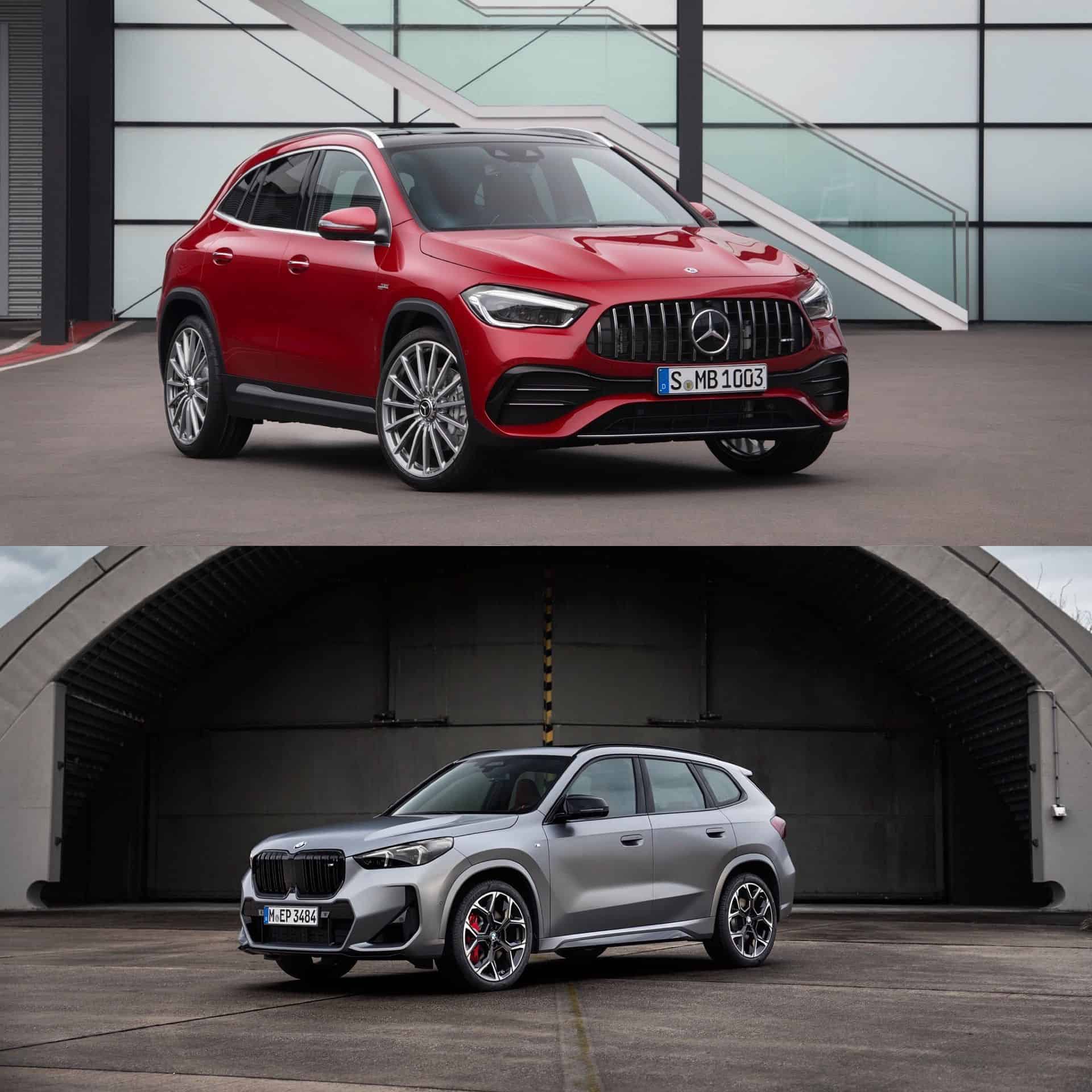
The clearest story within BMW’s numbers is the divergence between its car and truck segments. Light trucks — which encompass BMW’s popular X-model SUV lineup — surged 9.5% to 48,173 units, a bright spot that partially offset a steeper-than-expected 17.3% decline in passenger car sales, which fell to 36,058 units. American buyers continue to gravitate toward SUVs at an accelerating pace, and BMW’s X lineup is benefiting directly from that trend.
Electrification Takes a Step Back
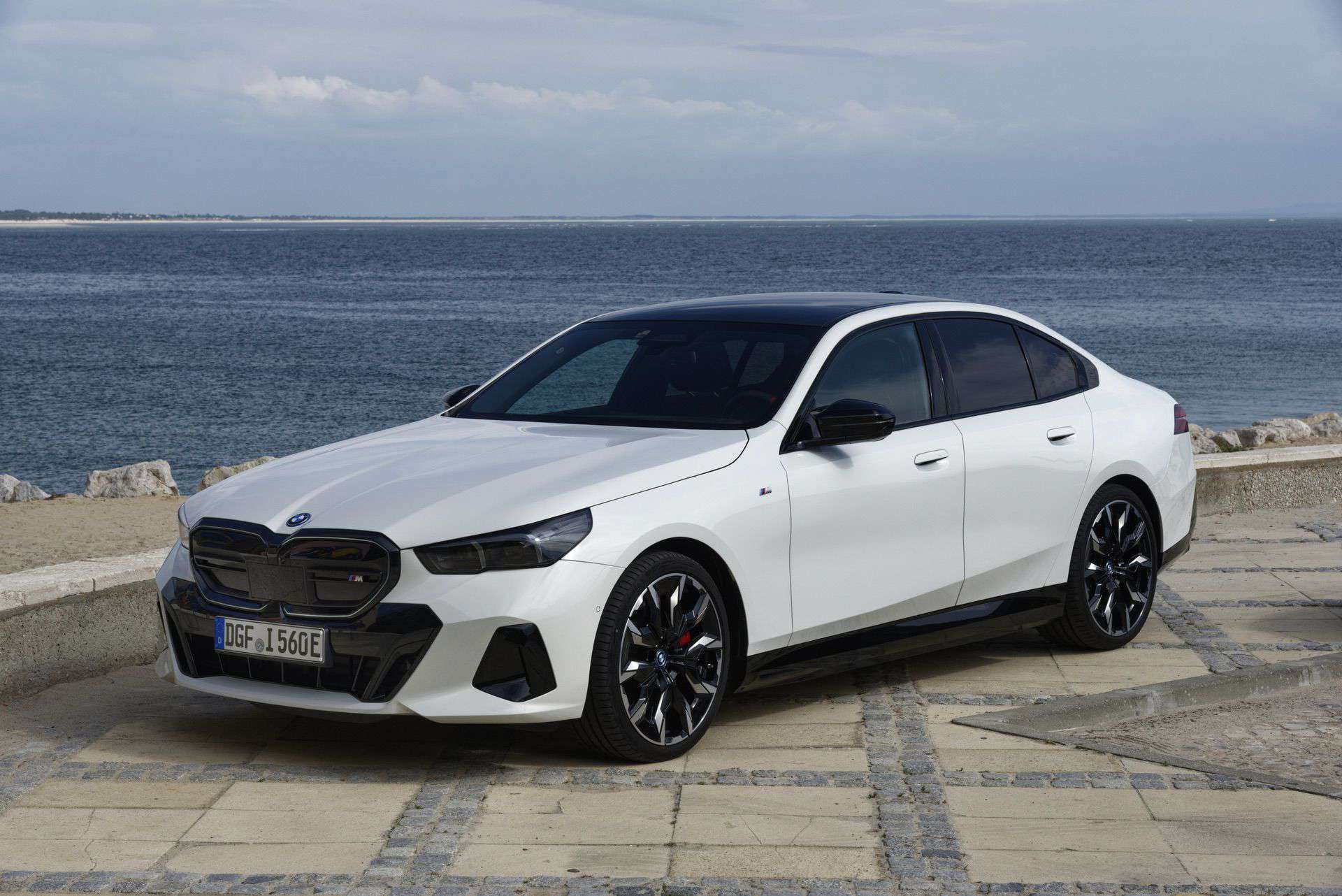
One number that stands out as a concern is BMW’s electrified vehicle performance. The brand sold 9,856 BEV and PHEV vehicles in Q1, representing just under 12% of total BMW sales — but that figure marks a steep 50% decline from the 19,761 electrified vehicles sold in Q1 2025. Whether that reflects softening consumer demand for EVs, supply or model transition factors ahead of Neue Klasse, or a combination of both, it’s a trend worth watching closely as BMW prepares to launch the iX3 later this year.
Mercedes Leans on Its SUV Trio

On the Mercedes side, the story is similarly SUV-centric. The GLC, GLE, and GLS collectively grew by 22% year-over-year and accounted for 61% of all Mercedes passenger car sales — roughly 42,700 units out of 70,000. That leaves every other Mercedes model combined accounting for just 27,300 sales, a number that raises quiet questions about the health of the brand’s sedan and EV segments.
In contrast,tThe G-Class, SL, and Mercedes-Maybach all recorded double-digit growth, with SL sales climbing a remarkable 47% and Maybach up 22%. These halo products are clearly resonating with buyers at the top of the market, and globally, the electric GLC generated more orders in Q1 than any previous Mercedes EV — though U.S.-specific EV figures were not disclosed. Mercedes also noted growing customer interest in the new CLA, but stopped short of reporting actual delivery numbers for the model.
The Outlook
Q1 2026 reinforced what has become a familiar pattern: BMW holds the edge in the U.S. market, driven by a robust SUV lineup and a broader product portfolio that continues to resonate with American consumers. Mercedes is not far behind, and its luxury and performance halo models are performing well, but the brand’s reliance on three SUV nameplates for the bulk of its volume is a vulnerability if that segment faces headwinds.
With the Neue Klasse era beginning and the iX3 on the horizon, BMW is positioning itself for the next chapter. Whether that translates into a stronger second quarter will depend on market conditions — and on whether its electrified lineup can bounce back from an unusually sharp decline.