Article Summary
- The electric M3 (ZA0) makes the natural fiber composite roof standard equipment, with the panoramic sunroof available as an option instead — reversing the logic of previous M3 generations.
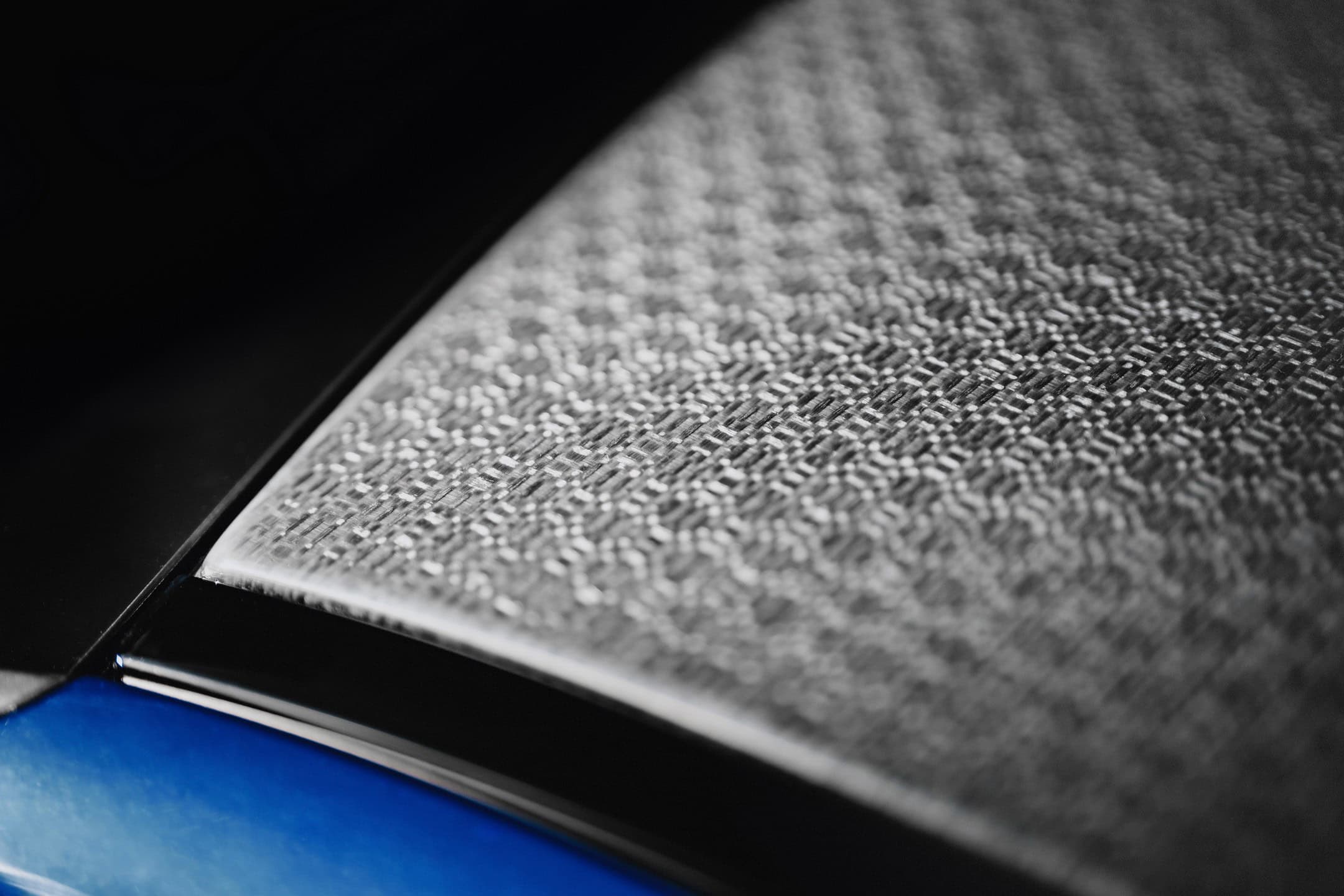
- The flax-based NFC roof, developed with Swiss firm Bcomp, is stronger than carbon fiber while reducing production CO2e by approximately 40 percent.
- The ZA0 M3 launches in March 2027 with a quad-motor setup, 800V architecture, 100+ kWh battery, and an estimated 450–500 miles of WLTP range.
BMW’s sustainability-meets-performance story is taking a significant step forward with the upcoming electric M3. According to new information by the usual BMW insider ynguldyn, the ZA0-generation M3 will come standard with a natural fiber composite (NFC) roof — a material BMW has been developing for years through motorsport — while the panoramic sunroof shifts to an available option for buyers who prefer one.
From the Racetrack to the Road

The natural fiber composite roof didn’t come out of nowhere. BMW M Motorsport first introduced flax-based composite panels in the 2019 Formula E season, later expanding their use to the BMW M4 DTM and M4 GT4 racing programs. The move to production cars has been years in the making, and the ZA0 M3 is where it finally becomes reality at scale.
The material itself is a collaboration between BMW and Bcomp, a Swiss clean-tech firm specializing in high-performance natural fiber reinforcements. Rather than the synthetic carbon fiber traditionally used in lightweight roof panels on M cars, the NFC roof is woven from flax fibers — yet it’s actually stronger than the carbon fiber it replaces. Perhaps more critically for a company with aggressive sustainability targets, the CO2e footprint from production is reduced by around 40 percent compared to carbon fiber, when end-of-life considerations are factored in.
Manufacturing the roof uses a fully automated RTM (Resin Transfer Moulding) process, which keeps production consistent and efficient enough to support the volumes BMW needs for a mainstream performance car.
So Why Natural Fibers Instead of Carbon Fiber?

Offering the NFC roof as standard rather than an option represents a meaningful shift in BMW’s philosophy. On previous M3 generations — most recently the G80 — the carbon fiber roof was an optional extra, something buyers had to tick on the order sheet. Flipping that logic means every ZA0 M3 buyer gets the weight and sustainability benefit by default, while those who want the open-sky experience can add a panoramic sunroof instead, according to the new information.
It’s a practical approach that also reflects how the electric M3’s packaging differs from its combustion predecessors. With the battery pack sitting low in a flat floor, every gram saved higher up in the vehicle has an outsized effect on the center of gravity — making the lightweight roof more than just a nice-to-have.
The ZA0 M3: Everything Else You Need to Know

The natural fiber roof is one of the more subtle details of what is otherwise a thoroughly radical car. The ZA0 M3 is the first electric M3 in history, built on BMW’s Neue Klasse platform and scheduled to start production in March 2027 in Munich.
Powertrain. The ZA0 uses a quad-motor setup — one motor per wheel — organized as two BMW M eDrive units, one on each axle. Each motor drives through its own gearbox, enabling fully independent torque delivery to each corner. BMW has confirmed the 800-volt architecture, which supports can support more than 400 kW DC charging and enables faster, more efficient energy transfer throughout the system. Power output is expected to land in the 800-900 hp range in base configuration, with torque approaching 1,000 lb-ft delivered instantly. The front axle can be decoupled entirely, giving drivers a proper rear-wheel-drive mode — and the ability to produce the kind of oversteer M cars are known for.
Torque vectoring. With individual motors at each corner and no mechanical differentials, the ZA0 M3 opens up a new dimension of chassis control. BMW can manipulate power delivery per wheel with millisecond precision, effectively eliminating the hardware limitations of traditional limited-slip differentials. BMW has also incorporated synthetic gear shifts, preserving some of the tactile engagement that combustion M cars offer.
Battery and range. The ZA0 is likely to pack more than 100 kWh of net energy but it’s unclear what the overall range will be.
Interior and technology. Inside, the ZA0 M3 should adopt the same BMW’s Panoramic iDrive X setup, replacing the traditional instrument cluster with a full-width display projected at the base of the windshield, paired with a central touchscreen for infotainment. Standard equipment includes M-spec seats, M seatbelts, and a head-up display. Bucket seats — built using the new natural fiber composite materials — are expected as an option.
Design. Spy shots captured in late 2025 revealed production-specification Neue Klasse headlights, featuring the brand’s new dual-element LED signature, a sharp departure from any current M3’s lighting design. The kidney grille takes on a fully closed-off appearance in keeping with the Neue Klasse electric ethos.
Production runs from March 2027 through October 2034. Order books haven’t opened yet since the car won’t arrive until next year, but the ZA0 is shaping up to be one of the most technically ambitious M cars ever built.
[Source: ynguldyn]