Accidents happen suddenly, whether on the road, at work, or during everyday activities. In the moments that follow, obvious injuries tend to get the most attention. However, some of the most serious conditions are not immediately visible, and one of the most overlooked is a concussion. As a type of traumatic brain injury, a concussion can have lasting effects if it is not properly treated.
Understanding the signs of a concussion can help you or a loved one seek medical care quickly and avoid long-term complications.
What Is a Concussion?
A concussion occurs when a blow or jolt to the head disrupts normal brain function. This can happen even without a direct hit to the head. In a car accident, for instance, a sudden stop can cause the brain to shift within the skull, resulting in injury. Concussions can range from mild to severe, but even mild cases deserve prompt attention.
Common Signs to Watch For
Symptoms of a concussion may appear right away or develop over the following hours or days. Some of the most common signs fall into four categories.
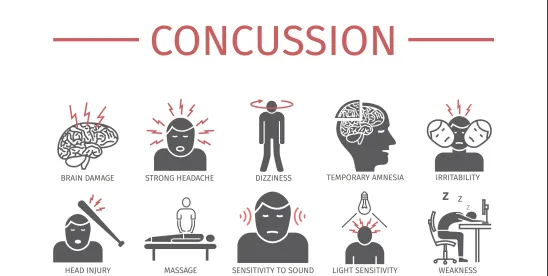
Physical symptoms include headache, dizziness or balance problems, nausea or vomiting, sensitivity to light or noise, and blurred vision.
Cognitive symptoms include confusion or difficulty concentrating, memory problems especially around the time of the accident, and a persistent feeling of mental fogginess.
Emotional symptoms may be irritability, mood changes, anxiety, or sadness.
Sleep-related symptoms can include sleeping significantly more or less than usual, as well as difficulty falling asleep.
It is worth noting that losing consciousness is not required for a concussion to occur. Many people who sustain concussions never black out at all.
When to Seek Immediate Medical Attention
While some concussion symptoms may seem mild at first, certain warning signs indicate a potentially serious brain injury and require urgent care. Seek immediate medical attention if you or someone with you experiences the following symptoms:
- Persistent or worsening headache
- Repeated vomiting
- Slurred speech
- Seizures
- Unequal pupil size
- Difficulty waking up or extreme drowsiness
- Loss of coordination
Why Early Diagnosis Matters
Prompt diagnosis allows for proper monitoring and a safer recovery. Ignoring a concussion or returning to normal activities too soon can increase the risk of prolonged symptoms or additional injury. Both physical and mental rest are often a central part of recovery. A healthcare provider can advise when it is safe to return to work, driving, or other daily routines.
Concussions and Accidents
Concussions are commonly associated with car accidents, slip and falls, workplace incidents, and sports injuries. In many cases, symptoms go unnoticed in the chaos that follows an accident. If you were involved in an accident caused by someone else’s negligence, documenting your symptoms and seeking medical care as soon as possible can be important not only for your health but also for any potential legal claim.
What You Can Do Next
If you suspect a concussion after an accident, do not ignore the signs. Seek medical attention promptly, follow your doctor’s recommendations, and keep a record of your symptoms as they develop.