Third-party trademarks and products show up in motion pictures and television productions in all sorts of ways. Cameras pan down busy urban streets with restaurant, retail signage, and billboards on both sides. Characters drive – perhaps recklessly – in recognizable vehicles with their distinctive and protected symbols and hood ornaments. Real people in unscripted programming sport branded apparel and baseball caps; real and fictional characters drink labeled beverages; and cellphones, laptops, websites, and magazines are often displayed, along with their names and logos, as props and set dressing.
Other companies’ trademarks also find their way into the titles of entertainment works from time to time. Perhaps most famously, The Devil Wears Prada had little to do with the luxury brand itself, nor does its upcoming sequel. The film Kodachrome was a comedy-drama in which the protagonist traveled with his dying father to the last photo shop in the United States that develops the film; and Polaroid was a supernatural horror film about a high school student who is given a vintage Polaroid camera that holds dark secrets, including that those who get their picture taken by it meet a tragic death. By contrast, the movies Blackberry, Ferrari, Air, and Tetris were biopics inspired, to one extent or another, by the creators or namesakes of the titular brands.

Prior to the United States Supreme Court’s decision in Jack Daniel’s Properties, Inc. v. VIP Products LLC, 599 U.S. 140, 152 (2023), these uses of third-party trademarks were relatively non-controversial because of the general adoption and endorsement in most federal circuits of the test established by the Second Circuit in Rogers v. Grimaldi, 875 F.2d 994 (2d Cir. 1989). Under the so-called Rogers test, when an allegedly infringing use of a trademark is part of an expressive work protected by the First Amendment, the free expression rights of the creator prevail over the trademark rights of the mark holder unless the creator’s use of the mark (i) is not artistically relevant to the work or, even if artistically relevant, (ii) explicitly misleads consumers as to the source of the content of the work.
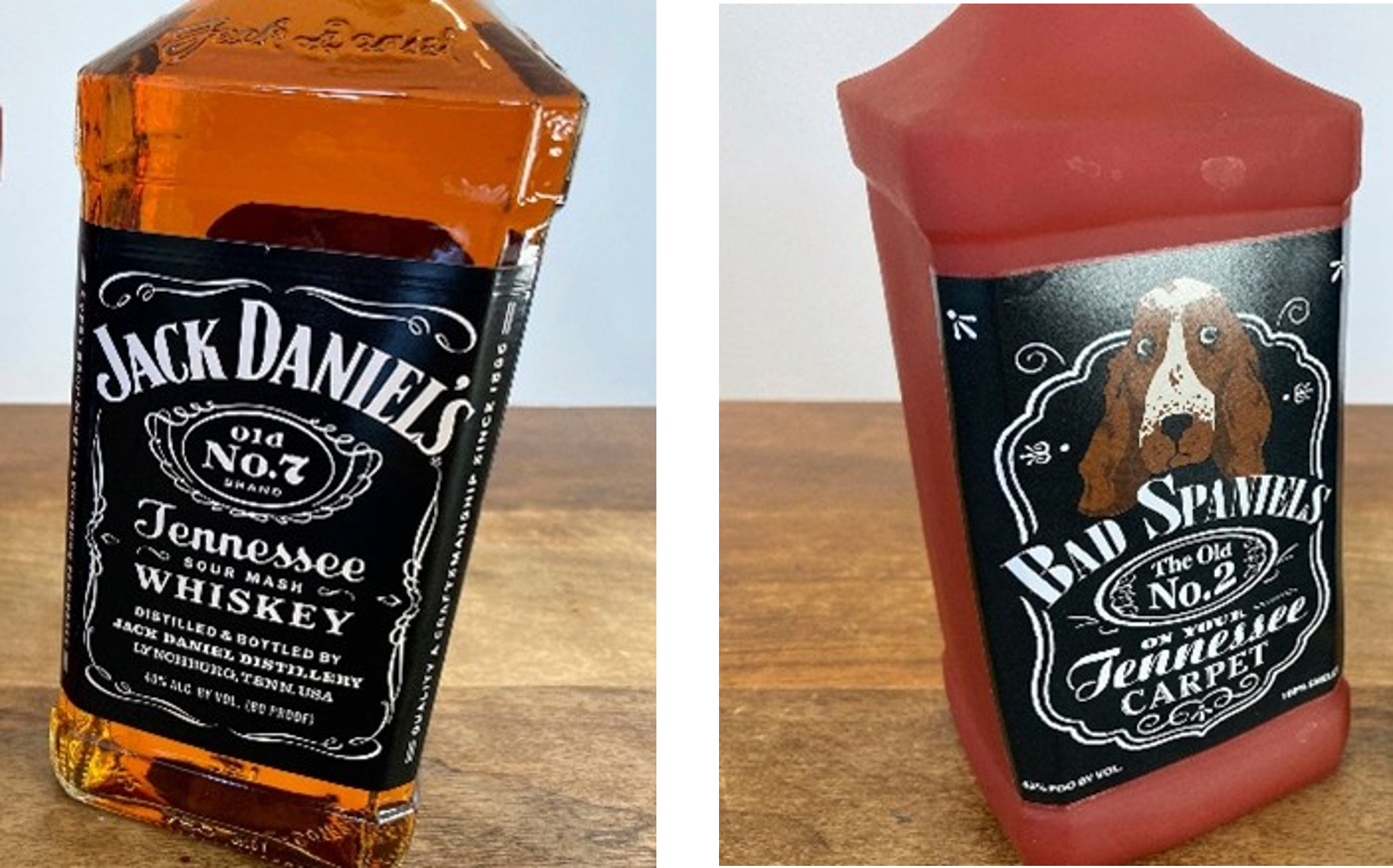
But in the Jack Daniel’s case, which involved the production and sale of dog toys that spoofed the recognizable attributes of the alcoholic beverage company’s whiskey bottle, the Supreme Court rejected the application of the Rogers test, even though it was conceded that the toys incorporated First Amendment-protected expressive elements. The court found that the Rogers test does not apply where “an alleged infringer uses a trademark in the way the Lanham Act most cares about: as a designation of source for the infringer’s own goods.” Jack Daniel’s,599 U.S. at 153. And because the toy manufacturer conceded that it was using “Bad Spaniels” as a source-identifier, the standard test for likelihood of consumer confusion, not the stricter Rogers test, applied to the question of trademark infringement.
Since then, many motion picture studios and television producers have approached the use of third-party trademarks in a more cautious way, concerned that the use might be prohibited by the Jack Daniel’s decision or even that a potential claim of infringement might be considered more viable by a trademark owner as a result of the Supreme Court’s ruling, thus increasing the risk of a claim. But while prudence is always a good thing, most uses of third-party marks in traditional entertainment works ought to remain protected by the First Amendment under the Rogers test, which should continue to have vitality and application in this context. At least with a few very important caveats, that is.
The most recent application of the Rogers test in connection with claims of allegedly infringing uses of a third-party’s trademarks in an entertainment work occurred in Pepperdine University v. Netflix, Inc., Case No. 2:25-cv-01429-CV (C.D. Cal. filed February 20, 2025). In this action, the not-for-profit Christian university located in Malibu, California, sued the distributor (Netflix) and one of the production companies (Warner Bros. Television) for trademark infringement over the streaming television series Running Point.
Pepperdine’s athletic teams have been called the “Waves” since the University’s founding in 1937, when it also adopted its distinctive school colors, known as “Pepperdine Blue” and “Pepperdine Orange.” Running Point is a series about a woman who is unexpectedly appointed president of a professional basketball franchise named the Los Angeles Waves. The series is purportedly based loosely on the Los Angeles Lakers and its majority owner until 2025, Jeannie Buss. The story revolves around the team, its management, and its players.
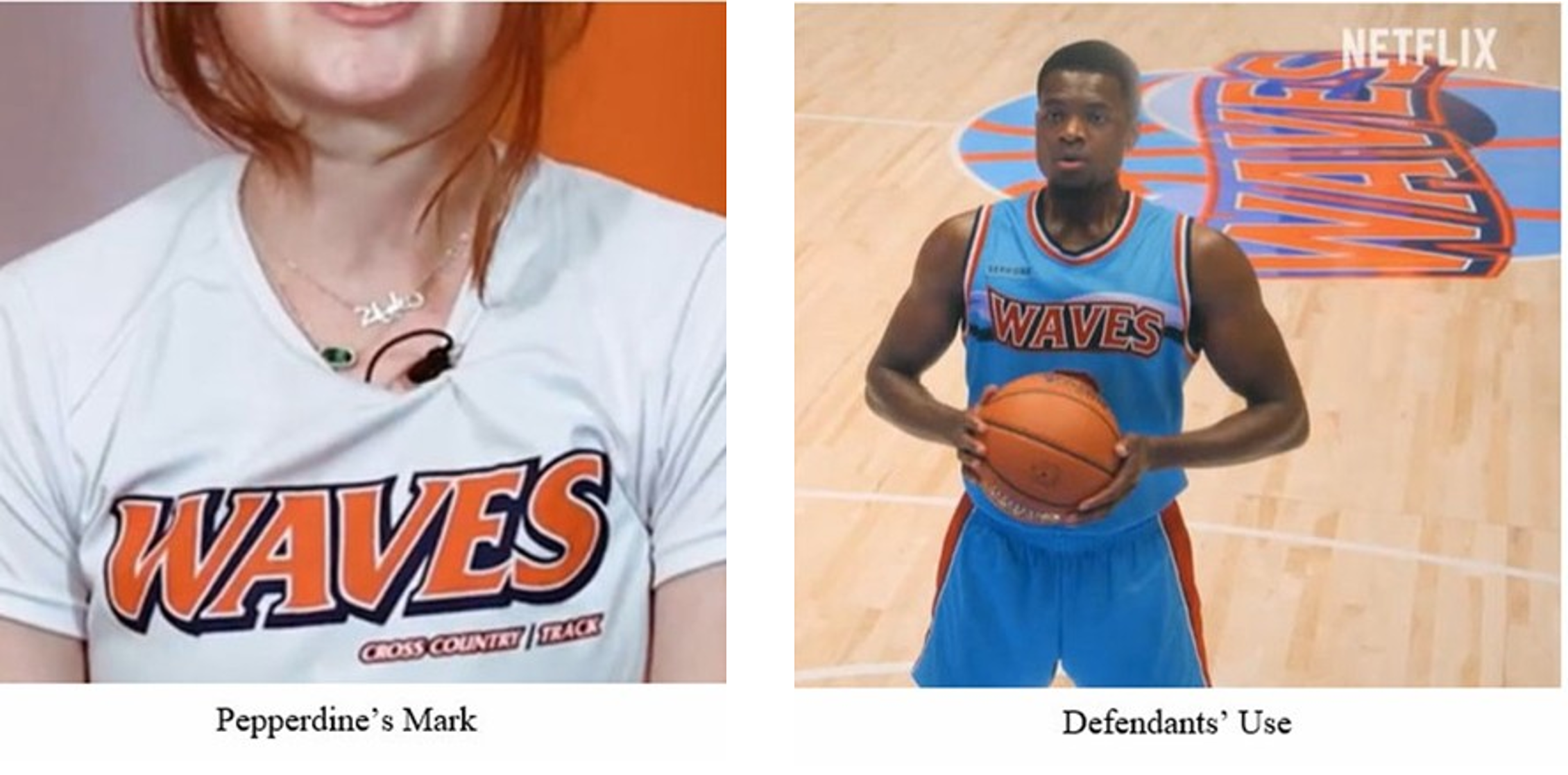
The fictional Los Angeles Waves use a mark similar to Pepperdine’s Waves trademark and similar colors to Pepperdine’s. The use of the Waves mark is pervasive in the series, and appears on jerseys, shirts, and in stadiums, among other places. In addition, series actors have posted pictures of themselves on social media to promote Running Point, sporting “Waves” jerseys, with the caption “SIGNED to the Los Angeles Waves! . . . Check out my dunks on Running Point now on Netflix.”
Pepperdine originally sought a temporary restraining order prohibiting the release of the series, which the district court denied on the grounds that the university had not demonstrated a probability of succeeding on the merits of its claim. The defendants then filed a motion to dismiss, which the district court granted with leave to amend on March 31, 2026. The defendants’ principal argument in favor of dismissal was that the university’s claims were barred under the Rogers test, which defendants claimed continued to apply notwithstanding the Supreme Court’s decision in Jack Daniel’s. Unsurprisingly, Pepperdine contended that the defendants were using the Waves mark to identify the source of the series and, therefore, the Rogers test was inapplicable under the express holding of Jack Daniel’s. Therefore, the determinative issue was whether or not the defendants were using the “Waves” mark as a source-identifiers as Pepperdine claimed, or solely as a plot device within the series to tell the story of the fictional basketball team, as the defendants contended.
In order to assess the continued vitality of the Rogers test following the Jack Daniel’s decision and its applicability to the university’s claims, the district court began by comparing the federal appellate decisions that the Supreme Court in Jack Daniel’s found were proper applications of the Rogers test – in which the trademarks at issue were used “not to designate a work’s source, but solely to perform some other expressive function” (599 U.S. at 154) – with judicial decisions in which it had been concluded that the Rogers test did not apply. The difference, the district court found, was whether the alleged infringer was using a mark similar to that of the plaintiff as a means of identifying its own goods or services, rather than for some other expressive reason.
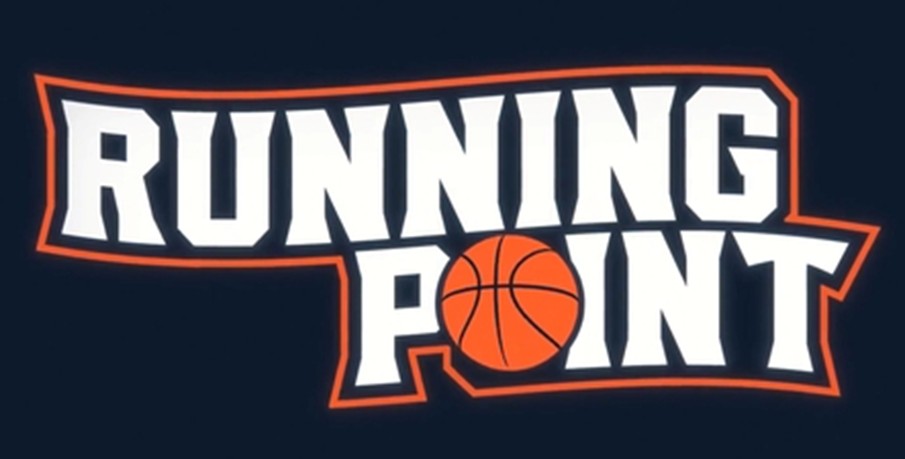
Turning to the use of the Waves mark in Running Point, the district court concluded that the defendants were not using the Waves mark as a designation of the source of the series. “Although the use of the Waves mark is pervasive throughout the show,” the district court observed, “it ‘does not explicitly mislead as to the source of the work,’ and does not ‘explicitly or otherwise, suggest that it was produced by [Pepperdine].” In the district court’s view, Pepperdine failed to allege that the Waves mark was used by the defendants to exploit the success of the university’s sports teams or to create an association between the Running Point series and Pepperdine’s teams.
Even if the school had sufficiently alleged that, because of its pervasive appearance in the series, the Waves mark was “immediately recognized” as identifying the Running Point series, these allegations still were not sufficient to show that the Waves mark was used as a designation of source for the series. Similarly, the fact that the defendants were alleged to have used the Waves mark in marketing the Running Point series did not alter the district court’s determination that the mark was not being used to identify the source of the series, which clearly was identified as the defendants themselves.
Obviously, this dispute is not over: The university has the option to amend its complaint or stand on its prior allegations and appeal to the Ninth Circuit once its action is dismissed with prejudice. And then the Ninth Circuit will have its chance to weigh in. But this district court’s decision appears to have reached the right conclusion on the application of the Rogers test when it comes to the use of an allegedly infringing logo or design as part of the creative expression of a First Amendment-protected work rather than for the traditional purpose of identifying the source of a company’s goods or services – even when those goods or services are a motion picture or television production.
Nevertheless, there are some potential uses of a mark in connection with an expressive work that could significantly increase the risk of an adverse ruling. For example, care should be taken in the creation of marketing and promotional materials, including one-sheets (posters) and trailers, to keep to a minimum the appearance of third-party marks (or marks that resemble third-party marks). As a matter of law, if an entertainment company has a First Amendment right to include the mark in the content of its work, it also has a First Amendment right to include the mark in advertising the work. But such uses might be considered provocative and trigger the assertion of a claim that might not otherwise have been made, especially (as was the case in Pepperdine)before the work has been released to the public. In any case, any uses of a potentially risky mark in advertising should be limited to “in situ;” that is, exactly how the mark appears within the body of the work itself.
It will also increase the risk of a claim if the third-party mark or a mark considered to resemble a third-party mark is incorporated into merchandise based on the entertainment work, such as apparel, caps, toys, action figures, and costumes. Even though a strong argument potentially exists that such uses ought to be considered “ornamentation” – that is, designs, slogans, or symbols primarily viewed by consumers as decoration rather than indicators of brand source – a trademark owner theoretically might assert a plausible infringement claim depending on the size and placement of the logo or mark, among other factors. And such logos should never be included on labels, stickers, or hang tags that are commonly used to identify the manufacturer, licensee, or other source of the goods.
In sum, the Supreme Court’s Jack Daniel’s decision has injected a measure of extra caution into the use in entertainment works of third-party trademarks or symbols that resemble such trademarks. But ultimately, incorporating such marks into First Amendment-protected works for creatively justifiable purposes that do not serve any source-identifying function should continue to be permissible under the Rogers test.