Article Summary
- Allianz bought a 15-vehicle fleet consisting of three models: BMW X1 20d, X3 20d, and the X5 30d.
- 11 SUVs have already been delivered, with the remaining four to follow at the end of the month.
- The level of equipment is above standard.
The market share of diesel engines in new vehicle sales continues to shrink in Europe. Tougher emissions regulations are forcing automakers to gradually abandon this type of powertrain in favor of hybrids and EVs. Through the first two months of the year, diesels accounted for just 7.3% of new car registrations on the continent, according to the European Automobile Manufacturers’ Association (ACEA).
By comparison, plug-in hybrids stood at 10.1%. Yes, PHEVs outsold diesels in January and February across the 27 EU countries, plus the UK, Iceland, Liechtenstein, Norway, and Switzerland. Nevertheless, BMW isn’t ready to give up on diesel engines just yet. It still stands by its “Power of Choice” slogan, offering a diesel option across the lineup. You can have one in everything from the 1 Series and X1 to the 7 Series and X7.
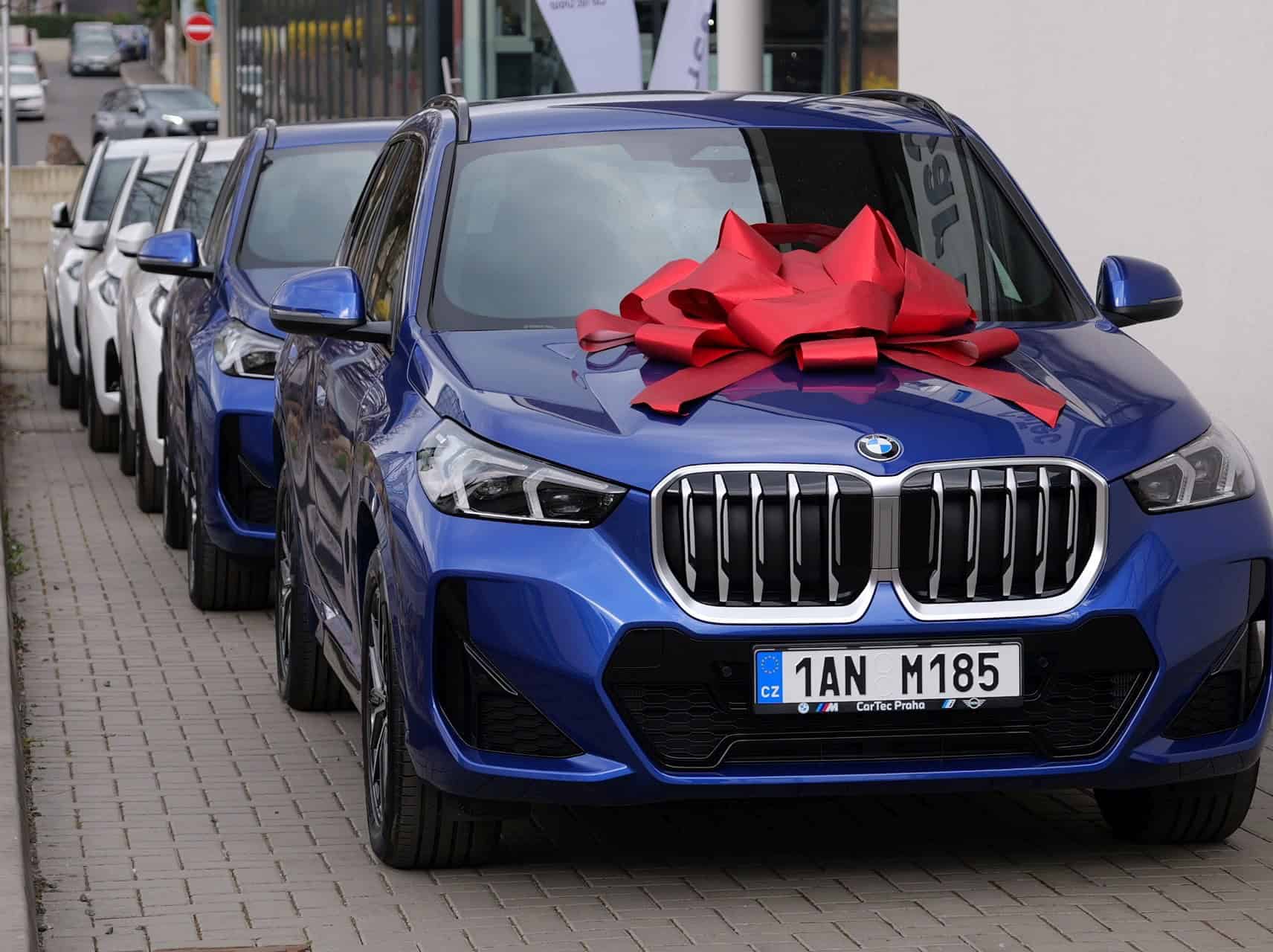
A major insurance company is also doubling down on diesel for its fleet. The Czech arm of Allianz has placed an order for 15 vehicles through BMW dealer CarTec Ostrava. All SUVs powered by diesel engines. The X1 20d and X3 20d share the 2.0-liter, four-cylinder “B47,” while the X5 30d uses a larger 3.0-liter inline-six “B57.”

The handover event included 11 vehicles, with the remaining four scheduled for delivery by the end of April. Allianz says the luxury crossovers will serve a wide range of roles within the company while also helping motivate its sales teams. The insurer didn’t skimp on options either, as the vehicles feature the M Sport Package among other extras.
Specific details for each X model haven’t been disclosed. However, we’re told the “level of equipment is above standard, emphasizing top-tier assistance systems, digital connectivity, and occupant comfort.”
Although Euro 7 regulations are looming, the stricter rules don’t pose an existential threat to either diesel engine. BMW has further refined the “B47” and “B57” to ensure compliance for years to come. Expect the smaller unit to also stick around in the MINI Countryman. Company cars are typically mile munchers, and with diesel still the efficiency king outside urban areas, Allianz’s decision makes perfect sense from an operational cost perspective.
Inevitably, diesel engines will disappear from Europe. By 2035, automakers will have to cut fleet emissions by 90% compared to 2021 levels. That will leave room for only a handful of ICE vehicles, with diesels the most vulnerable to get the axe. However, we’re not there yet, and BMW can still sell diesel-powered cars without exceeding fleet emissions limits.
In 2025, the BMW Group reduced its CO₂ emissions to 90 g/km, beating its fleet target by 2.9 grams. With the arrival of Neue Klasse models, the growing number of EVs should continue to offset emissions generated by ICE-powered vehicles.