SPONSORED CONTENT
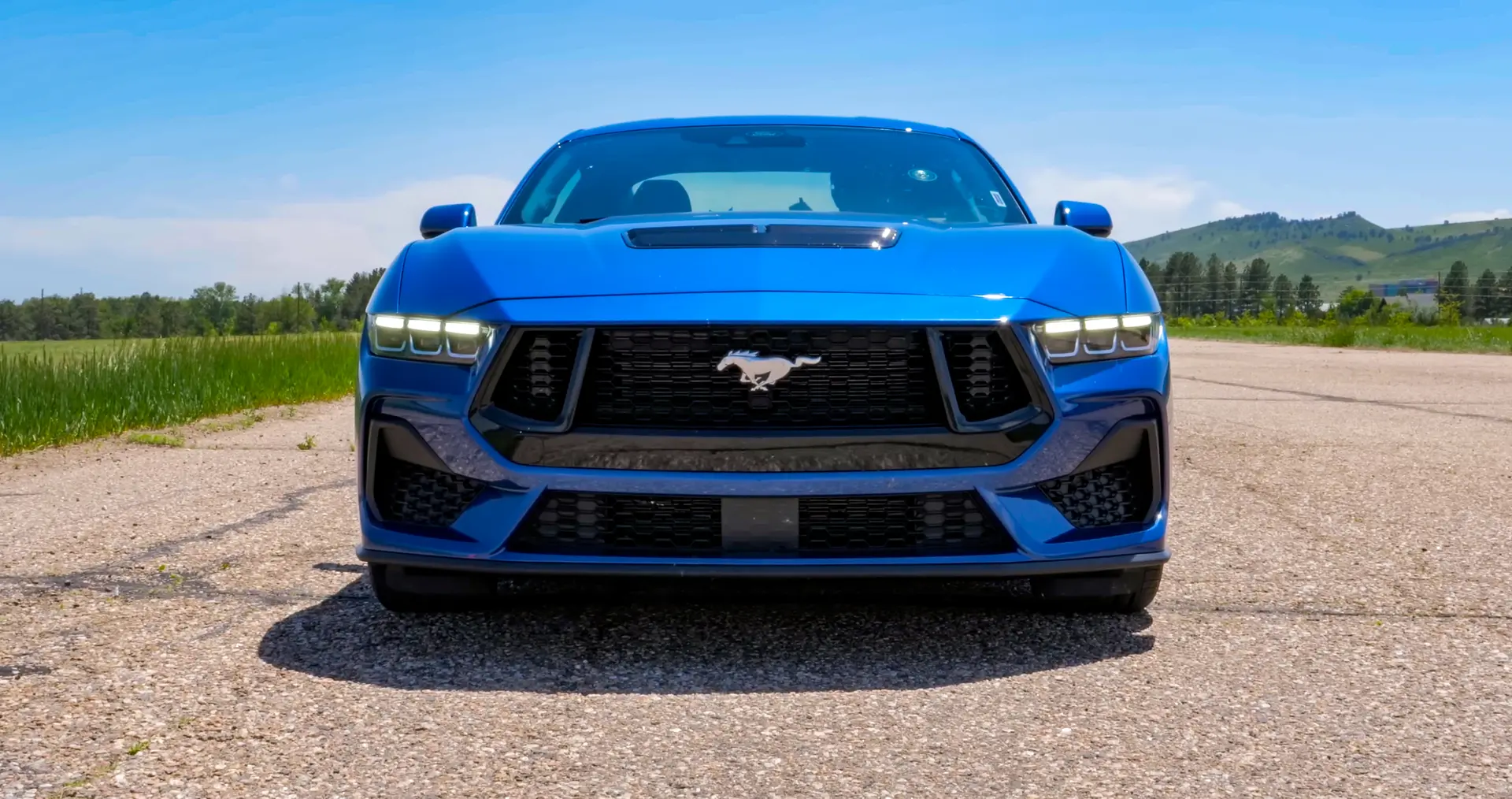
Few cars carry as much cultural weight as the Ford Mustang. Since its debut in the mid-1960s, the Mustang has stood for freedom, performance, and a very specific idea of American driving. Over the decades, the car has changed dramatically in design, technology, and capability, yet it has never lost its core identity. Putting a classic Mustang next to a modern 2026 Mustang GT makes that evolution impossible to ignore.
One thing, however, has always stayed the same: the Mustang is a car people don’t just drive, but actively shape to their own taste.
The classic Mustang: Raw, simple, and mechanical
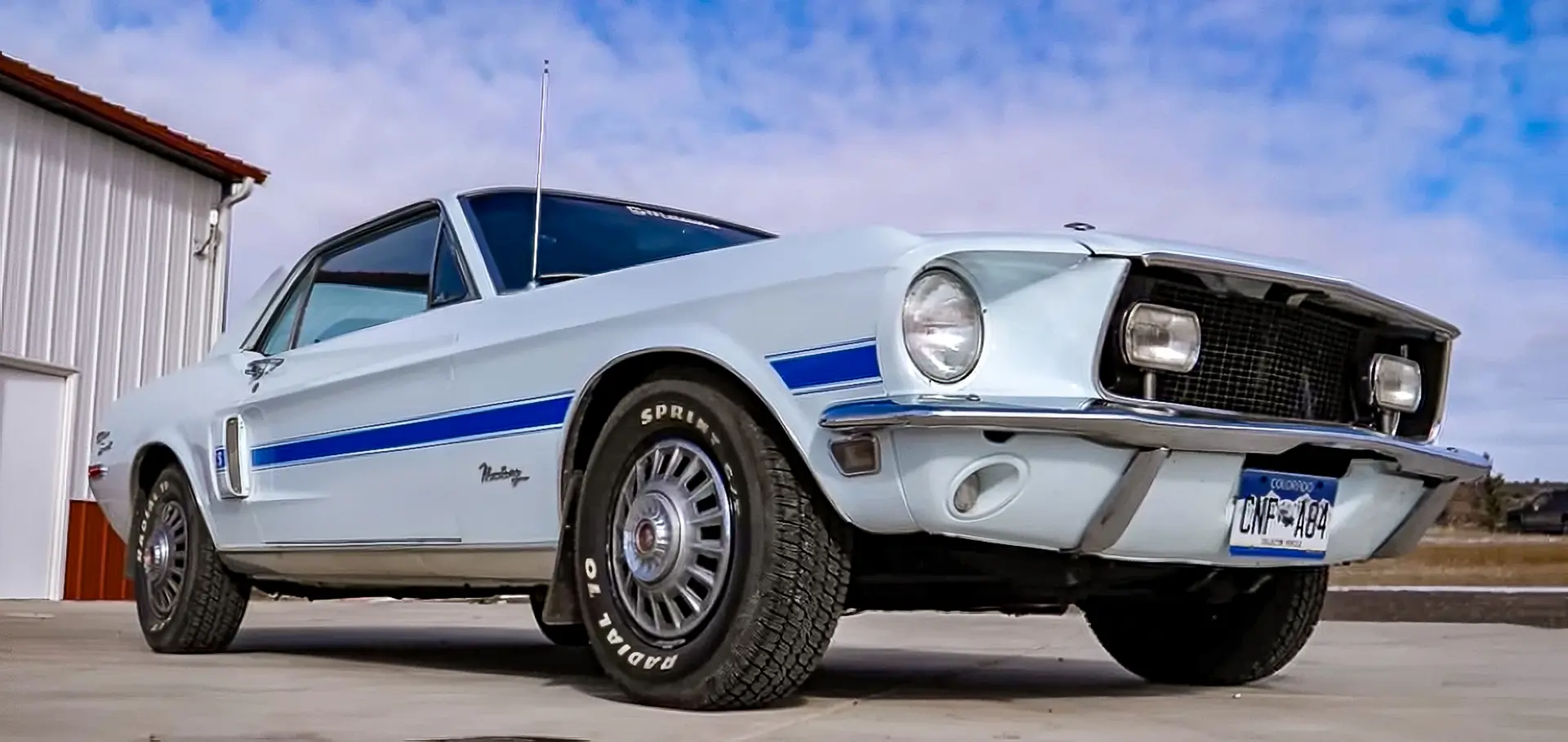
Older Mustangs, particularly those from the 1960s and 1970s, were built around simplicity. They were relatively light, mechanically straightforward, and heavily focused on the engine. Power went to the rear wheels, and almost everything the car did was felt directly by the driver.
There was very little technology involved. No selectable driving modes, no digital dashboards, and virtually no driver assistance. What you got instead was character. The sound of a naturally aspirated V8, the vibrations through the chassis, and a driving experience that demanded constant attention.
For many enthusiasts, that raw and unfiltered feel is exactly what defines a “real” Mustang.
The modern Mustang: Power meets precision
Jumping ahead to the current generation, including the 2026 Mustang GT, and the contrast is quite big. Modern Mustangs deliver far more power than most classic versions ever did, but they do so with significantly more control.
Chassis rigidity has improved, suspension systems are far more advanced, and braking performance is on a completely different level. Inside, large digital displays, configurable driving modes, and modern comfort features make the car suitable for daily use, not just weekend drives.
Despite the added refinement and technology, the Mustang still feels like a performance car first. It’s quicker, more capable, and far easier to drive fast than its predecessors.
Performance then and now
On paper, the evolution is obvious. Modern Mustangs accelerate faster, handle corners with far more confidence, and stop in much shorter distances. Electronics play a major role, managing traction, throttle response, and stability to keep the car composed even at the limit.
Older Mustangs rely almost entirely on driver skill. There’s no safety net correcting mistakes, which makes them more demanding but also more rewarding for experienced drivers. That difference in approach is exactly why the debate between old and new never really ends.
Comparison of the old and new Mustang
To better understand how far the Mustang has come, a side-by-side comparison helps put things into perspective.
| Aspect | Classic Mustang (1960s–70s) | Modern Mustang (2020s) |
| Driving feel | Raw, mechanical, demanding | Refined, controlled, confidence-inspiring |
| Power output | Modest by today’s standards | Significantly higher, even in stock form |
| Handling | Rear-heavy, less forgiving | Balanced, stable, highly capable |
| Safety | Minimal or none | Advanced safety and stability systems |
| Comfort & tech | Very basic | Modern infotainment and driver aids |
| Usability | Weekend or enthusiast car | Suitable for daily driving |
The table makes one thing clear: modern Mustangs are objectively better performers, while classic Mustangs offer an experience that’s harder to quantify.
Different Approaches to Personalization
Another interesting contrast between old and new Mustangs is how owners approach personalization. Classic Mustangs are often restored, restomodded, or subtly upgraded to preserve their original feel while improving reliability and drivability. Modern Mustangs, on the other hand, already start from a strong factory baseline, which makes even small changes noticeable in everyday driving.
This long-standing culture of personalization is part of what keeps the Mustang relevant across generations and explains why aftermarket support has always been so extensive.
In both eras, that flexibility has also made the Mustang a good car for tuning. Older cars are often upgraded to improve braking, suspension, or overall drivability, while newer Mustangs benefit from modern performance parts that build on an already strong factory setup. The approach is different, but the motivation is the same: shaping the car to better match how it’s driven.
Interested in tuning your Mustang? Tuningsupply is growing in popularity within car enthusiasts, due to the wide range of products and good quality. Check them out and see what you think!
Same spirit, different execution
At their core, old and new Mustangs share the same DNA. They’re built to be enjoyed, driven hard, and adapted to their owner’s preferences. What has changed is the execution. Older Mustangs deliver purity and nostalgia. Modern Mustangs deliver speed, control, and usability.
The fact that both versions continue to attract passionate fans is proof that the Mustang hasn’t lost its soul. It has simply evolved with the times, offering different interpretations of the same idea.
No matter the generation, the Ford Mustang remains one of the most recognizable and debated performance cars ever built, and that ongoing conversation is part of its appeal.