
Some sports cars outpace the market, but you don’t have to spend big to guard against depreciation.
As average new car prices roundly pass the $50,000 mark and stubbornly stay there, it’s generally a smart move to consider how much value your purchase will lose over the long-term. Depreciation definitely isn’t the sexiest topic to discuss when shopping the best car for your needs, but as used cars across the board are retaining more of their value than previous years, it’s worth checking out where you’ll get the best bang for your buck over your time with your new car or truck. Fortunately, the folks at iSeeCars put together a large study to determine exactly that: Which cars are best at holding their value over five years, and which ones suffer the worst depreciation?
Now, some car shoppers might remember how tight inventories of both new and used cars were during the COVID-19 pandemic. The effect on new car production with supply chain shortages sent ripples throughout the whole industry, and the net result was higher retained values (or lower depreciation rates) on virtually every car out there.
The used market has since normalized a little bit, with a couple notable exceptions. We’re not quite back to pre-2020 levels. However, the research firm’s study of 950,000 5-year-old cars sold between March 2025 and February 2026 showed that average depreciation — the percentage value a given car loses over half a decade — actually improved coming into the new year (up 3.8% to 41.8% of a new car’s sticker price).
If you want a TL;DR version without getting into the numbers, here it is. If you want a car that holds its value better, buy a sports car, a hybrid car or a truck. On the flip side, cars that depreciate the most over five years tend to be EVs, large and expensive SUVs and executive sedans. Broadly, the laws of supply and demand play out in the numbers: If people want a certain car, it tends to hold more value. If people aren’t that into it and demand isn’t there, it will lose more money over time (surprising, I know).

Top 10 cars with the best depreciation rates
One notion this study does work out in greater detail is that expensive cars depreciate much faster than any other car. In some cases (see the Infiniti QX80), that is absolutely true. In others, however, that is actually not the case, as we see with the now-defunct Porsche 718 Cayman and the Porsche 911. Both are extremely desirable sports cars, and while they carry a high MSRP, part of their appeal is that they tend to hold that value over a long period. The Cayman is the best in terms of depreciation, losing just 9.6% of its value (or about $6,988 from its original MSRP) over five years.
On average, the run-of-the-mill car loses about 41.8% of its value (or $16,571) over the same period.
Here are the best-depreciating cars according to the iSeeCars study:
| Rank | Model | 5-Yr. Depreciation (%) | Difference from original MSRP |
|---|---|---|---|
| 1 | Porsche 718 Cayman | 9.6% | $6,988 |
| 2 | Porsche 911 | 11.1% | $15,533 |
| 3 | Chevrolet Corvette | 18.7% | $13,365 |
| 4 | Honda Civic | 22.9% | $5,828 |
| 5 | Subaru BRZ | 23.7% | $8,489 |
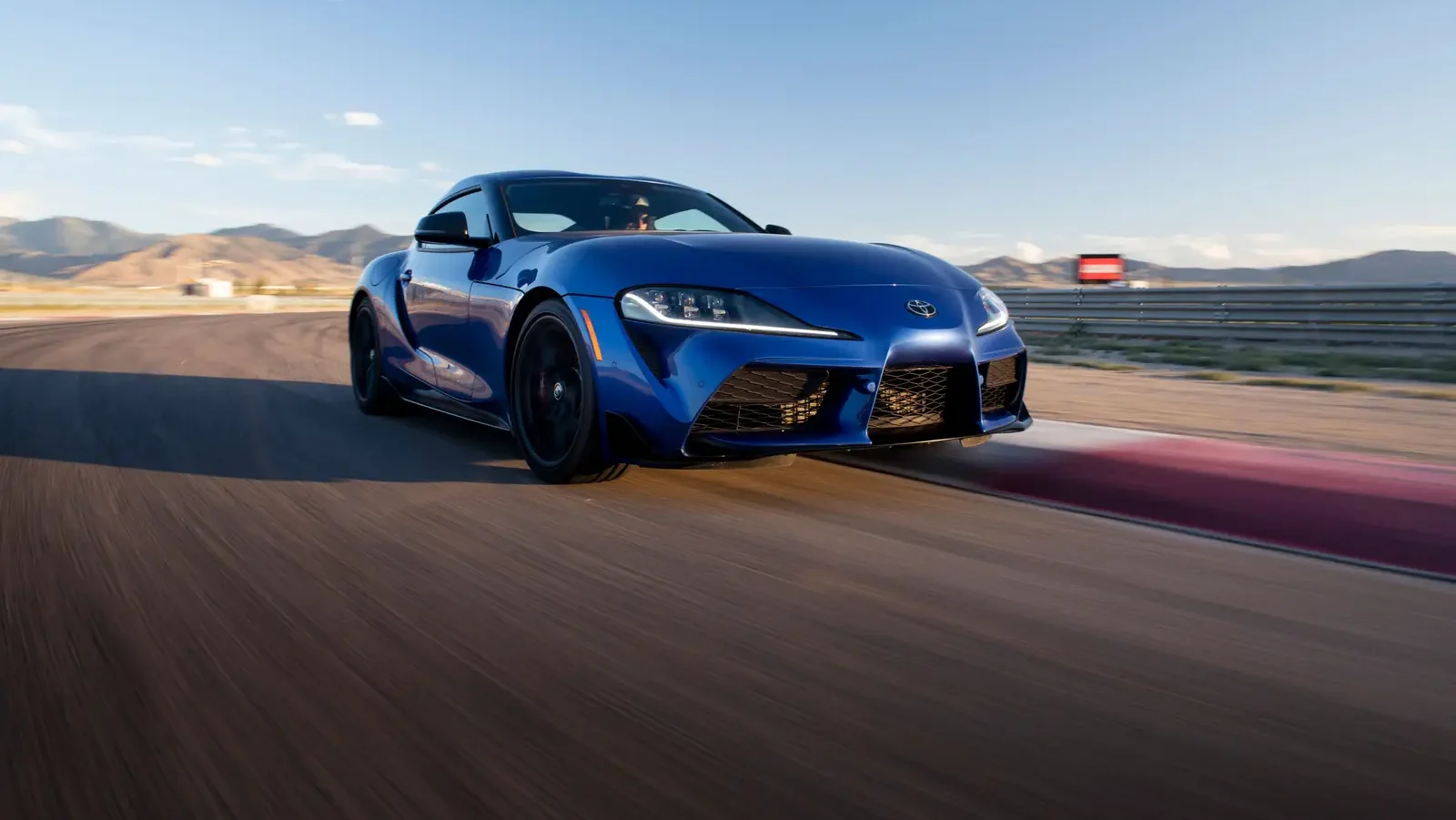
| 6 | Toyota GR Supra | 24.0% | $13,963 |
| 7 | Toyota RAV4 (incl. Hybrid) | 25.2% | $7,731 |
| 8 | Toyota Corolla Hatchback | 25.5% | $6,220 |
| 9 | Toyota 4Runner | 25.5% | $10,697 |
| 10 | Lexus RC 300/350 | 26.6% | $12,674 |
Some surprises…
There are a few things to note, other than the top-line takeaway (buy a Porsche 718 or 911). Some popular compacts like the Honda Civic and Toyota Corolla depreciate at a slower rate than their rivals, especially as both now have hybrid options in their lineups. Hybrids, as a segment, have also seen slower depreciation thanks to increasing demand (35.4% lost value over 5 years, compared to the 41.8% average).
Toyota, as a brand, dominated the best resale value list. That’s not a terribly surprising revelation given the brand’s reputation for holding its value, though some interesting data points still emerged. The Lexus RC 300/350 coupe showed up, for example, but not the V8-powered RC F. Interestingly, the Subaru BRZ joined several other Subarus on the list, but its Toyota GR 86 counterpart does not (weirdly, it’s one of a few in Toyota’s lineup that didn’t appear). It’s worth noting, though, that the Subaru tends to carry a higher starting price despite essentially being the same car, and is a bit rarer than the Toyota, which may explain the lower depreciation. The BRZ is a tougher car to find on the used market.
Among American cars, the Ford Mustang also fares decently well, losing just 26.8% of its value on average over five years. Models like the 5.0-liter GT, the Bullitt (and probably the Dark Horse),

Top 10 worst-depreciating cars over 5 years
Of the top ten cars that hold their value the worst, there aren’t too many surprises. EVs make up a substantial portion of the list, with the poor Nissan Leaf doing the worst over five years. As much as you can define a “white good” car in the modern context, the Leaf is probably it — and that’s a big reason why it loses 63.1% of its value over five years, on average. For the most part, people tend to lease these cars rather than buy them, so when they do actually hit (or flood, more appropriately) the used market, they tend to be dirt cheap. Great news if you’re looking for an inexpensive runabout…bad news if you’re an owner looking to retain some value in your vehicle.
Even popular electric car brands aren’t immune. Tesla is another example of severe depreciation over time, with virtually all its long-running models showing up here. Interestingly, though, the Model 3 is not among the top 25 worst depreciating cars, even though the closely related Model Y SUV is. The Cybertruck, for its part, is still fairly new, so there doesn’t seem to be enough data to show what its depreciation curve will look like over time. If Tesla’s other vehicles are any indication, though, the resale drop-off is likely going to be pretty steep.
Here are the 10 worst depreciating cars:
| Rank | Model | 5-Yr. Depreciation (%) | Difference from original MSRP |
|---|---|---|---|
| 1 | Nissan Leaf | 63.1% | $17,743 |
| 2 | Infiniti QX80 | 62.8% | $52,631 |
| 3 | Volkswagen ID.4 | 62.1% | $28,010 |
| 4 | Tesla Model S | 62.0% | $58,907 |
| 5 | LR Range Rover | 61.7% | $69,856 |
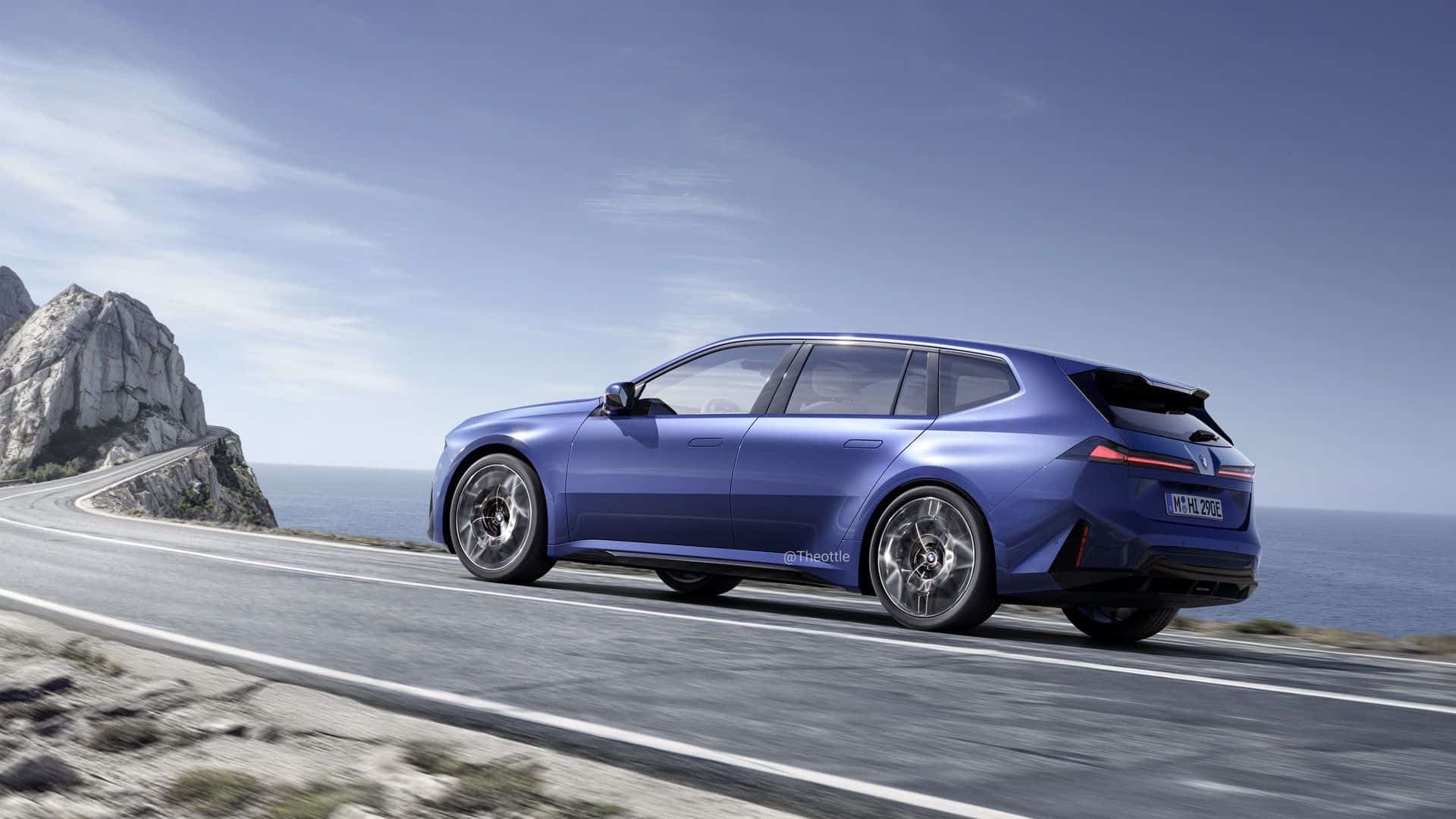
| 6 | BMW 7 Series | 61.6% | $61,141 |
| 7 | Tesla Model X | 61.2% | $61,216 |
| 8 | Ford Mustang Mach-E | 60.8% | $22,976 |
| 9 | BMW 5 Series Hybrid | 59.5% | $44,921 |
| 10 | Infiniti QX60 | 58.3% | $30,099 |
The flip side: If you want used deals, this may be your list
Among EVs, other popular examples like the Volkswagen ID.4 and Ford Mustang Mach-E also appear as some of the worst depreciating cars on the list. You can flip this list on its ear if you’re a shopper by looking at the “worst” part as the cars to buy, if you’re looking for a good deal. After all, after five years, most of these vehicles have already lost most of their values, so there’s not much farther to fall.
Luxury brands also tend to lose precipitous amounts of money, with new designs supplanting older models. Larger SUVs also make an appearance, including the Infiniti QX80, QX60 and Nissan Armada. Since we’re looking in a five-year time frame, it’s worth noting all of those models were recently redesigned. That affects used value of the older (and in the case of the past Armada/QX80, truly ancient) models. That said, we’ll have to wait and see how the new QX80 and QX60 fare over the coming years, as Infiniti has struggled more than its competition in both new sales and resale values. Other big SUVs like the Ford Expedition, Lincoln Navigator and Cadillac Escalde also tend to lose value (each losing about 56-57% of their original MSRP over five years).