Stellantis is pivoting away from full-on electrification as it posts the first loss in its five-year history.
The numbers are in, and holy hell, do they look bad. Particularly if you’re over at Stellantis, where the company just officially posted a 22.3 billion Euro ($26.3 billion USD) net loss for 2025. That’s after the company, which has posted gains since its 2021 creation out of the merger of PSA Group (Peugeot) and Fiat Chrysler, put up a $6 billion profit in 2024.
So, how do you lose the entire GDP of Trinidad and Tobago or Mongolia in a single year? CEO Antonio Filosa pointed squarely at the company’s formerly ambitious electrification plans, as the automaker was keen to emphasize right from jump street as it released a statement alongside the earnings report (shown below).
“Our 2025 full year results reflect the cost of over-estimating the pace of the energy transition and of the need to reset our business around our customers’ freedom to choose from the full range of electric, hybrid and internal combustion technologies.”
“In the second half of the year we began to see initial, positive signs of progress with the early results of our drive to improve quality, strong execution of the launches of our new product wave and a return to top line growth. In 2026 our focus will be on continuing to close the execution gaps of the past, adding further momentum to our return to profitable growth.“
Stellantis posted that loss in a year where its overall revenue slid by about 2% to €153.5 billion ($181 billion USD), and vehicle shipments actually increased by 11% to 2.8 million units.
On February 6, the company announced a “major reset” of its business plans.
Its goals more or less mirror several other automakers in light of lackluster EV demand, loss of tax incentives and “improving operational efficiencies” (what the lay person typically sees through layoffs and plant closures/workforce reductions). Indeed, it lists adjusting the EV supply chain to “reflect customer demand and shifting regulations”, changing its estimation process for contractual warranty provisions and charges around its previously announced layoffs over in Europe.
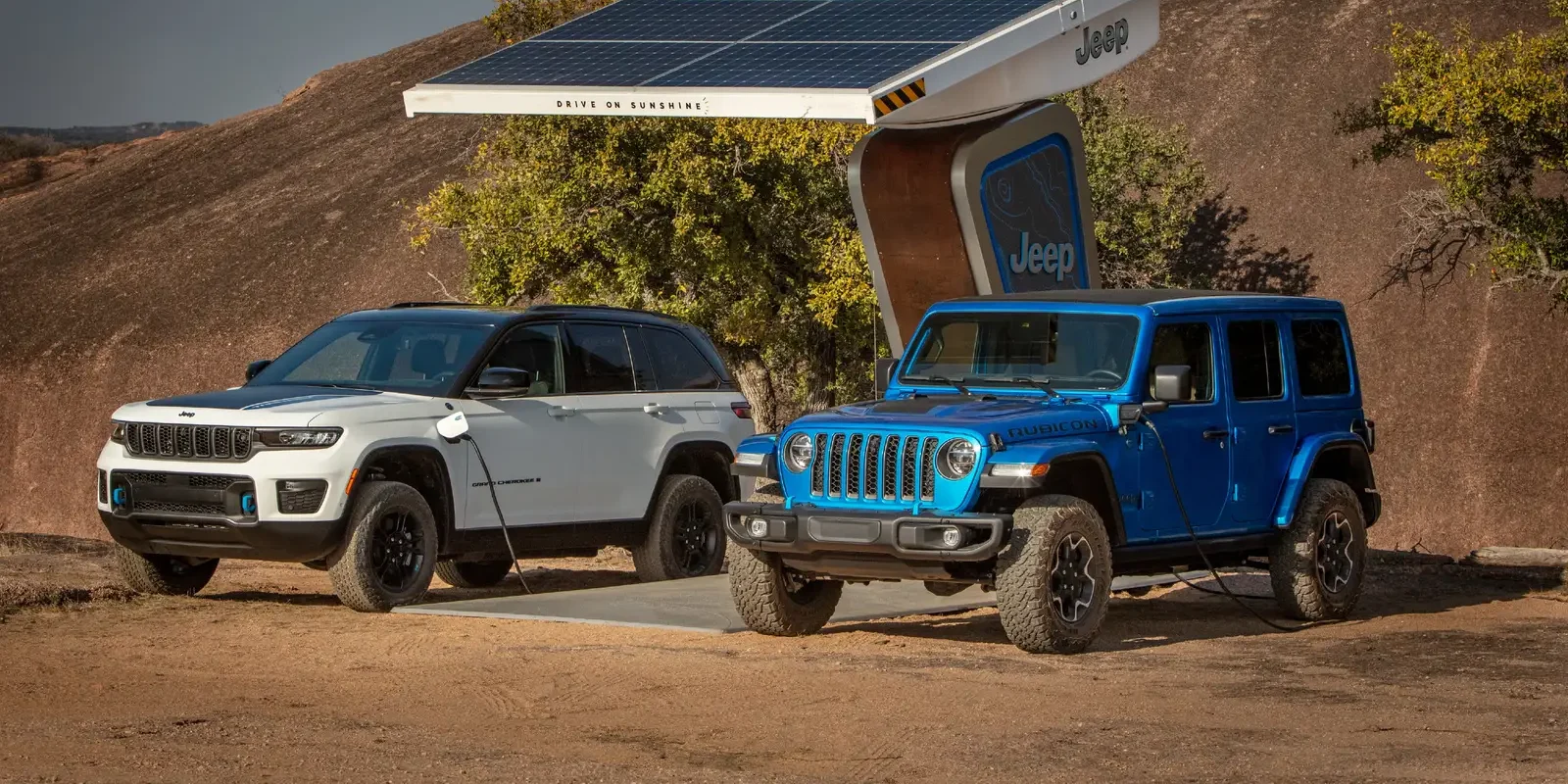
Filosa added the company made “initial, positive signs of progress” in the second half of 2025 as it put its new plan into effect. We’re talking about the time frame that Ram reintroduced the Hemi V8-powered 1500 truck and cancelled its upcoming fully electric pickup. Jeep made plans to scrap its existing plug-in hybrid arrangement and introduced the new Cherokee as a hybrid (along with a gas-only launch for the updated Grand Cherokee), while Dodge focused nearly all its attention toward the launch of the Charger Sixpack.
Subsequently, the North American market posted the strongest gain to Stellantis’ overall global sales, picking up by 231,000 units (or 39%) year-over-year. While it wasn’t enough to stem its losses for the full-year, the company’s revenues for the second half of 2025 also picked up by 10% over where they were in the same period for 2024.
The big takeaway? Expect more gas offerings this year while Stellantis aims for a slow-and-steady recovery
Moving forward, the company affirmed its plans to launch a new “product wave”, focusing on white-space models and powertrain options across all global regions. It’s also suspending its 2026 dividend to shareholders to shore up its balance sheet, while projecting small (single-digit percentage) revenue increases and operating margins for the year ahead.
In North America, perhaps the most obvious shift compared to Stellantis’ past plans seems to be Hemi, Hemi and more Hemi. It sure looks like the Ram 1500 was just the start, and while we don’t have official confirmation to this effect just yet, there are plenty of rumblings that we’ll see V8 options expand in Jeep and Dodge’s lineups in the near future. Dodge, for its part, brought back an almost exclusively V8 lineup (before adding the Pentastar back into the mix) for the Durango last year.